






Several scientific societies support performing left atrial appendage occlusion (LAAO) as a stand-alone procedure, even though it is often associated to other cardiomyopathies requiring transcatheter intervention.
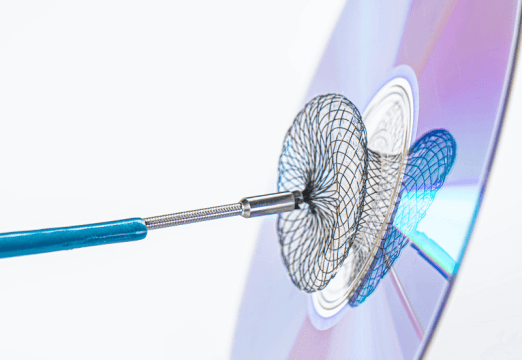
Though still controversial, combining LAAO and any other cardiac intervention might reduce hospitalizations, as well as the need for additional punctures, anesthesia, red tape, a longer stay and higher costs at long term.
This was a retrospective analysis of 88,990 patients undergoing LAAO, 1,225 (1.4%) undergoing LAAO and concomitant cardiac intervention (LAAO+).
Primary end point was defined as MACE, which included all-cause inhospital mortality or stroke.
Seeing as populations were not homogeneous, propensity score was used to match patients, which resulted in 1,220 patients in each group.
Read also: Benefit of Cusp overlap method for self‐expanding transcatheter aortic valves.
Mean age was 75, 63% were men, 29% had diabetes, 82% hypertension, 37% smoked, 44% had heart disease, 11% peripheral vascular disease, 22% kidney function deterioration, 6% were in dialysis, 18% had COPD, 8% had suffered MI, 16% had experienced stroke or transient ischemic attack, 13% had a history of PCI or CABG.
The most common cardiac intervention was ablation (73%), followed by TAVR (15.5%), pacemaker implantation (6.6%), and less frequently atrial septal defect or PFO closure, PCI, edge-to-edge repair or transcatheter mitral valve replacement.
Primary events rate resulted similar (1.3% vs. 3.1%, adjusted OR: 1.82; CI 95%: 0.94-2.74, p=0.15) for LAAO and LAAO+. Neither were there significant differences in all-cause mortality, stroke, kidney failure, bleeding, need for transfusion, vascular complications and hospital stay; however, hospital costs were higher for LAAO+ patients.
Read also: Does Post-Dilation in TAVR Affect its Long-Term Outcomes?
Patients undergoing LAAO and TAVR showed higher rates of stroke and bleeding, while patients undergoing ablation for atrial fibrillation or atrial flutter exhibited higher incidence of AV blockage and need for pacemaker implantation.
Conclusion
In this observational, retrospective study, the combination of LAAO + another cardiac intervention has been associated to similar MACE rate and length of stay. However, some complications appear to be more frequent and the cost of the combined procedures resulted higher.

Dr. Carlos Fava.
Member of the Editorial Board of SOLACI.org.
Original Title: Safety and Efficacy of Combining Left Atrial Appendage Occlusion With Another Cardiac Procedure.
Reference: Mahmoud Ismayl, et al. J Am Coll Cardiol Intv 2024;17:262–273).
Subscribe to our weekly newsletter
Get the latest scientific articles on interventional cardiology



