






Courtesy of Dr. Carlos Fava.
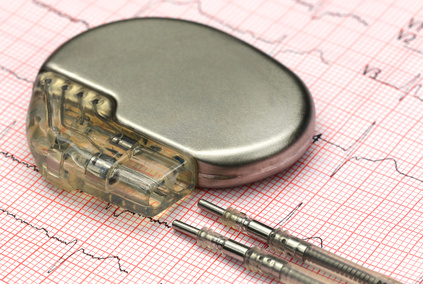
After a transcatheter aortic valve replacement (TAVR), the incidence of permanent pacemaker (PPM) implantation ranges from 6% to 30% in different studies, depending on the valve type used. This is due to trauma, ischemia, haemorrhage, and atrioventricular node and infranodal tissue oedema, provoking ventricular dyssynchrony similar to that caused by complete left bundle branch block. The evolution of patients requiring permanent pacemaker after TAVR has not been fully studied.
This study included 9785 patients from 229 hospitals; 651 (6.65%) of these subjects received a permanent pacemaker.
Patients receiving a permanent pacemaker were more frequently men with a higher STS predicted risk of mortality score (7.3% vs. 6.7%; p = 0.004), who received aortic valvuloplasty less often and presented more conduction defects in the baseline echocardiogram.
During the procedure, patients requiring a permanent pacemaker received larger valves, with higher oversizing. Mean time between valve replacement and permanent pacemaker implantation was three days.
Self-expanding valves (CoreValve) required the implantation of permanent pacemakers more frequently than balloon-expandable valves (E. Sapiens). Extreme-risk or inoperable patients required a permanent pacemaker more frequently than high-risk patients. Hospital stays were longer for patients requiring a PPM.
At a year, the need for a permanent pacemaker was associated with an increase in mortality (24.1% vs. 19.6%; hazard ratio [HR]: 1.31; 95% confidence interval [CI]: 1.09 to 1.58) and an increase in a composite of mortality and heart failure (37.3% vs. 28.5%; HR: 1.33; 95% CI: 1.13 to 1.56).
The following were predictors of the need for permanent pacemaker implantation after TAVR at 30 days:
- age;
- prior conduction defect;
- aortic valve area ≤0.75 cm2;
- use of self-expanding valves.
Conclusion
The need for a pacemaker is a common complication following TAVR, and it is associated with higher mortality and hospitalization due to heart failure at one year.
Editorial
Prior studies argued that permanent pacemaker implantation did not affect outcomes. This study, however, proves the opposite: it is associated to a hard event, mortality, and a higher need for hospitalization due to heart failure. This also increases healthcare costs.
The upcoming challenge lies in the development of devices that lower the need for a permanent pacemaker while maintaining or improving current performance.
Courtesy of Dr. Carlos Fava. Buenos Aires Favaloro Foundation, Argentina.
Original title: Incidence, Predictors, and Outcomes of Permanent Pacemaker Implantation Following Transcatheter Aortic Valve Replacement. Analysis from the U.S. Society of Thoracic Surgeons/American College of Cardiology TVT Registry.
Reference: Opeyemi O. FadaHunsi, et al. J Am Coll Cardiol Intv 2016;9:2189-99.
Subscribe to our weekly newsletter
Get the latest scientific articles on interventional cardiology
We are interested in your opinion. Please, leave your comments, thoughts, questions, etc., below. They will be most welcome.



