






Courtesy of Dr. Carlos Fava.
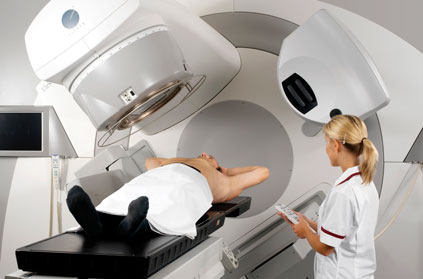 Thoracic radiation causes cardiac lesions, and coronary arteries are among the most affected structures. Furthermore, it provokes obstructive lesions due to wall fibrosis. Generally, patients with this background are not eligible for surgery and receive angioplasty, a seemingly great alternative.
However, there is no clear information on outcomes yet.
This study included 116 patients who received thoracic radiation (XRT) for 5.6 years (1.1-12.3) before angioplasty. These were propensity matched against 408 control patients, to make the population more uniform.
No difference was observed as regards in-hospital results.
In the 6.3-year follow-up (4-9.8), there were no differences between groups in all-cause mortality (hazard ratio [HR]: 1.31; p = 0.078) and cardiac mortality (HR: 0.78; p = 0.49). Fifty-six patients died in the XRT group (12 cardiac deaths) and 159 patients died in the control group (44 cardiac deaths).
Conclusion
Patients with prior thoracic radiation and coronary disease treated with angioplasty had similar complications after the procedure when compared to control subjects. Furthermore, they both presented similar long term mortality rates.
Editorial Comment
This study adds important information as regards angioplasty in patients who received XRT. A primary concern in these cases is pericardial rupture and effusion, since these arteries are more fibrous and rigid. In that sense, the most important information provided by this analysis is that the procedure does not affect mortality.
However, the scope of this work is greatly limited by the fact that it does not provide information as regards the rate of restenosis or the presence of other events.
Courtesy of Dr. Carlos Fava.
Original title: Percutaneous Revascularization in Patientes Treated with Thoracic Radiaton for Cancer.
Reference: Erin Fender. Am Heart J 2017;187:98-103.
Get the latest scientific articles on interventional cardiologySubscribe to our weekly newsletter
We are interested in your opinion. Please, leave your comments, thoughts, questions, etc., below. They will be most welcome.



