






Scientific updates, hands-on workshops, and strong regional participation in Panama City
The LIV SOLACI Panamá 2026 Sessions brought together interventional cardiology specialists, fellows, technicians, and nurses from across Latin America for two intensive scientific days held on May 8 and 9, 2026, at the Megapolis Hotel in Panama City. Organized jointly with the Panamanian Association of Hemodynamics and Interventional Cardiology (APACI) and the Panamanian Society of Cardiology (SPC), the meeting featured a multidisciplinary program with more than 10 international guests, simultaneous sessions for physicians and for technicians and nurses, as well as hands-on workshops focused on new technologies and complex cardiovascular intervention techniques.
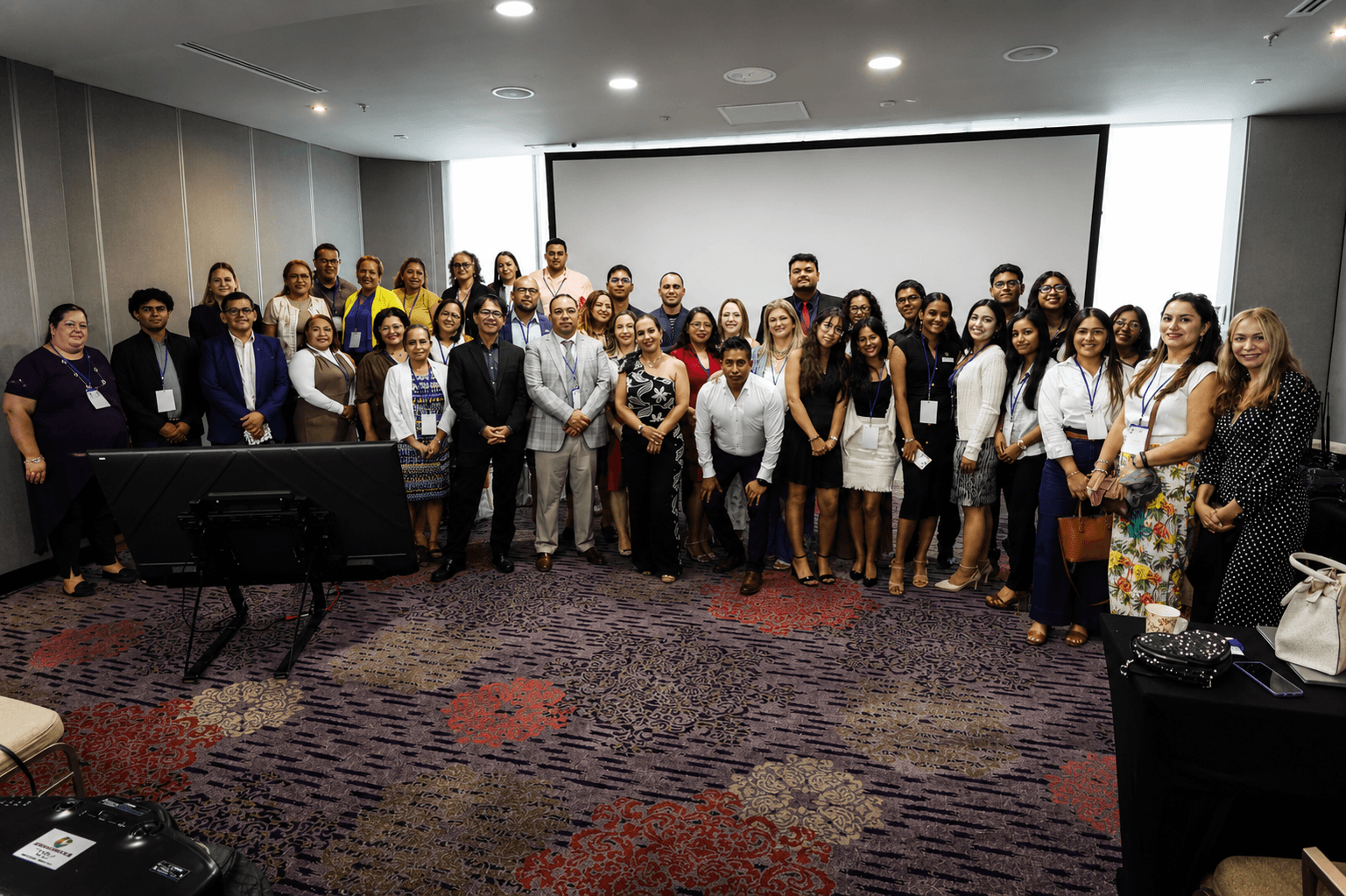
The event featured regional leaders in interventional cardiology, cardiovascular imaging, structural interventions, complex coronary disease, and advanced cardiovascular care.
A medical program focused on the major challenges of contemporary interventionism
The scientific program for physicians addressed some of the most relevant and challenging topics in contemporary interventional cardiology. Key themes included intracoronary imaging, treatment of complex coronary lesions, TAVI, acute coronary syndrome, structural heart disease, and peripheral vascular disease.
The opening session began with the lecture “From STENT to Laser: how to transform an interventionist into a phlebologist,” delivered by Dr. Daniel Meneses, followed by a cardiovascular imaging block discussing the applications of echocardiography, tomography, and IVUS as essential tools to optimize coronary angioplasty.
One of the most prominent modules focused on aortic valve stenosis and TAVI, including presentations on low-flow, low-gradient aortic stenosis, management of acute complications, and “TAVI-in-TAVI” reintervention strategies.
The program also explored high-risk coronary angioplasty, covering chronic total occlusions, calcified plaque modification, left main coronary artery disease, and multivessel disease. Additionally, discussions addressed increasingly frequent clinical scenarios such as coronary disease in octogenarian patients and the role of intracoronary lithotripsy in severely calcified lesions.
There was also room to highlight the social and humanitarian commitment of interventional cardiology in the region. During Friday’s scientific lunch session, SOLACI’s Solidarity Program was presented by Dr. Marcelo Halac. This initiative aims to promote access to complex cardiovascular treatments for low-income patients and strengthen regional collaboration among centers with healthcare needs. The session highlighted the social impact of the specialty and the importance of Latin American cooperation in reducing inequalities in cardiovascular healthcare.
Congenital heart disease also had a prominent place in the program, with sessions dedicated to Tetralogy of Fallot interventions, percutaneous atrioventricular canal closure, and treatment of aortic coarctation. Additional debates focused on pulmonary embolism, balloon pulmonary angioplasty, and reperfusion strategies in acute coronary syndrome.
During the second day, clinical case sessions were held under the format “One Case, One Lesson,” where regional experts analyzed complex scenarios involving coronary aneurysms, complex TAVI procedures, and MINOCA with hemodynamic compromise. Current management strategies for NSTEMI and STEMI in Latin America were also discussed.
The scientific closing lecture was delivered by Dr. Guering Eid Lidt with a presentation titled “Mitral Valve-in-Valve: Current Status.”
Hands-on workshops and new technologies
In addition to the scientific lectures, the Sessions included an exclusive hands-on workshop area at the Arista Hall. Activities included orbital atherectomy training and advanced intracoronary imaging technologies, including IVUS and NIRS using the Makoto platform.
These workshops allowed participants to interact with cutting-edge technologies and deepen their understanding of strategies for managing complex lesions and calcified disease.
Technicians and nurses: a dedicated agenda focused on safety, TAVI, and education
Parallel to the physicians’ program, the hall dedicated to technicians and nurses developed a specific scientific agenda focused on cardiovascular care, imaging, electrophysiology, TAVI, and patient safety.
Sessions addressed cardiovascular risk factors in women, acute coronary syndrome, the current status of coronary artery disease, and the growing role of intracoronary imaging with IVUS, OCT, and NIRS. The importance of training human resources in catheterization laboratories and multidisciplinary work in interventional procedures was also emphasized.
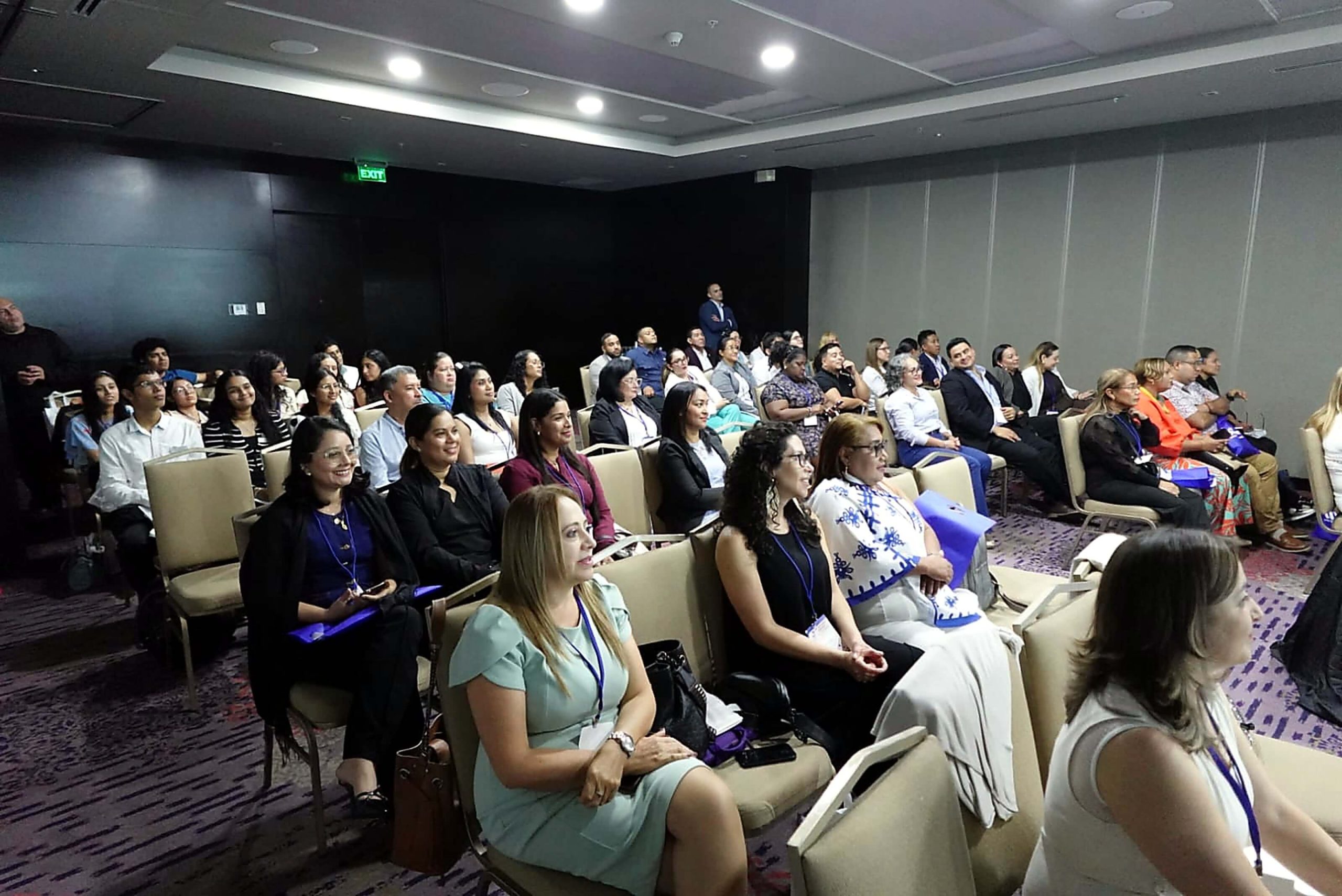
Another major focus was structural interventionism, particularly TAVI, with presentations on assistance during procedures using the SAPIEN platform, complication management, “Plan B” strategies, and the role of the Heart Team in decision-making.
During the second day, discussions focused on the future challenges of TAVI, the strategic role of nursing, pediatric coronary interventionism, and patient safety in the catheterization laboratory. Administrative aspects, soft skills, and vascular access care were also analyzed.
Young Interventional Cardiologists Competition: innovation and complex cases
One of the highlights of the event was the Young Interventional Cardiologists Competition, where fellows and young specialists presented complex cases and innovative strategies in cardiovascular interventionism.
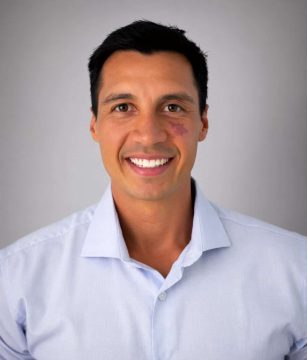
The winning presentation was delivered by Dr. Nicolás Martínez Marietti, Hemodynamics Fellow at Sanatorio de la Cañada in Córdoba, Argentina, with the case titled:
“The Road Less Traveled: Subclavian Access TAVI in a Panvascular Patient.”
The competition also featured cases involving transcatheter pulmonary valve implantation, bifurcation coronary lesions, IVUS-guided spontaneous coronary artery dissection, and endovascular management of complex vascular complications.
Panamá Sessions 2026 once again reinforced SOLACI’s commitment to continuing medical education, regional exchange, and multidisciplinary training in interventional cardiology, bringing together professionals from across Latin America for two days of scientific updates, innovation, and collaboration.
Subscribe to our weekly newsletter
Get the latest scientific articles on interventional cardiology



