



EuroPCR 2018 | RADIANCE-HTN SOLO: Renal Denervation Guided Through Intravascular Ultrasound

Patients eligible for this study suffered from hypertension, had been treated with up to 2 drugs, and presented a daytime ambulatory blood pressure ≥135/85 mmHg and <170/105 mmHg after a 4-week washout period.
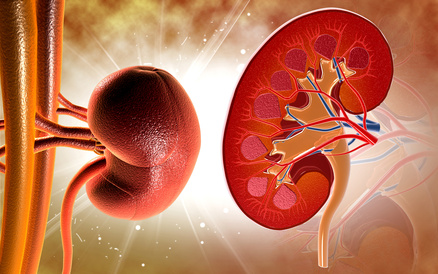
Intentando reducir la insuficiencia renal post TAVIThe study enrolled 146 patients who were randomized 1:1 to denervation treatment or a sham procedure.

The reduction in daytime ambulatory systolic blood pressure was greater among patients in the denervation arm (-8.5 mmHg) than in the sham arm (-2 mmHg). In consequence, the final adjusted difference was -6.3 mmHg (95% confidence interval: -9.4 to -3.1; p = 0.0001).

Original title: Primary Outcomes of Renal Denervation in the RADIANCE-HTN SOLO Study.

Presenter: Laura Mauri.


Subscribe to our weekly newsletter

Get the latest scientific articles on interventional cardiology

We are interested in your opinion. Please, leave your comments, thoughts, questions, etc., below. They will be most welcome.


More articles by this author

Drug-Eluting Stents in Peripheral Arterial Disease: When Should They Be Used?

Peripheral drug-eluting stents have transformed the treatment of peripheral arterial disease by reducing restenosis rates and the need for repeat interventions. However, the emergence...

SCAI 2026 | Deep vein arterialization as an alternative in patients with critical limb ischemia without conventional options

Critical limb ischemia (CLI) represents one of the most advanced stages of peripheral arterial disease (PAD). In a significant proportion of patients, distal anatomy,...

C-TRACT: Endovascular therapy in post-thrombotic syndrome due to iliac obstruction

Post-thrombotic syndrome (PTS) is one of the most limiting sequelae following proximal deep vein thrombosis (DVT). It clinically manifests as chronic pain, edema, skin...

Coil embolization of segmental arteries as a spinal cord protection strategy prior to complex endovascular repair of thoracoabdominal aorta

Spinal cord ischemia remains one of the most devastating complications in the repair of thoracoabdominal aneurysms, with incidences of up to 20–30% in extensive...

LEAVE A REPLY

Please enter your comment!
Please enter your name here

Related Articles

SOLACI Sessionsspot_img
Jornadas Guatemala 2026

Recent Articles

Coronary Obstruction During TAVI: A New Volumetric Index to Consider

Coronary obstruction during TAVI is an uncommon but potentially catastrophic complication, particularly in valve-in-valve procedures, in anatomies with small sinuses of Valsalva, low coronary...

EARLY TAVR: Impact of Age on Outcomes of Early TAVR in Asymptomatic Patients

Asymptomatic severe aortic stenosis represents an increasingly common clinical challenge. Although current guidelines recommend intervention once symptoms develop or left ventricular dysfunction occurs, concerns...

Plaque Ruptures in Non-Culprit Arteries: Follow-Up With Intravascular Imaging

Plaque rupture remains one of the most important pathophysiological mechanisms in acute coronary syndromes. However, not all ruptures manifest clinically as ischemia, myocardial infarction,...
