






First generation TAVR procedures performed on patients with bicuspid aortic valve stenosis have rendered suboptimal outcomes. In addition, studies on new generation devices, such as the SAPIEN 3, have systematically excluded these patients from their protocols. Therefore, we are missing information about TAVR on bicuspid aortic valve stenosis patients.
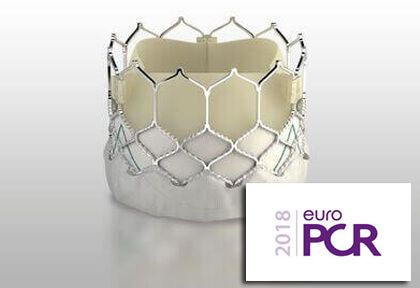 This study compared SAPIEN 3 TAVR outcomes in bicuspid vs. tricuspid aortic valve stenosis patients from the real world registry STS / ACC TVT. The registry included 63851 patients, 1792 presenting bicuspid vs. 55023 with tricuspid cases.
Patients with bicuspid anatomy resulted younger and with relatively lower risk than the rest. TAVR in this population had a successful rate of 96.6% and a very low complications rate associated to the procedure (less than 1% of annular rupture, need of second valve or conversion to conventional surgery).
Read also: EuroPCR 2018 | Meta-Analyzis on Cerebral Protection Devices during TAVR.
The rate of stroke resulted superior in the group with bicuspid anatomy (2.5% vs 0.9%).
Paravalvular leak rate was low and similar in both groups.
Conclusion
TAVR with SAPIEN 3 should be considered an alternative in intermediate to high surgical risk patients with bicuspid aortic valve stenosis.
Original title: SAPIEN 3 outcomes for bicuspid vs tricuspid aortic valve stenosis: propensity matched results.
Presenter: Raj Makkar.
Get the latest scientific articles on interventional cardiologySubscribe to our weekly newsletter
We are interested in your opinion. Please, leave your comments, thoughts, questions, etc., below. They will be most welcome.



