






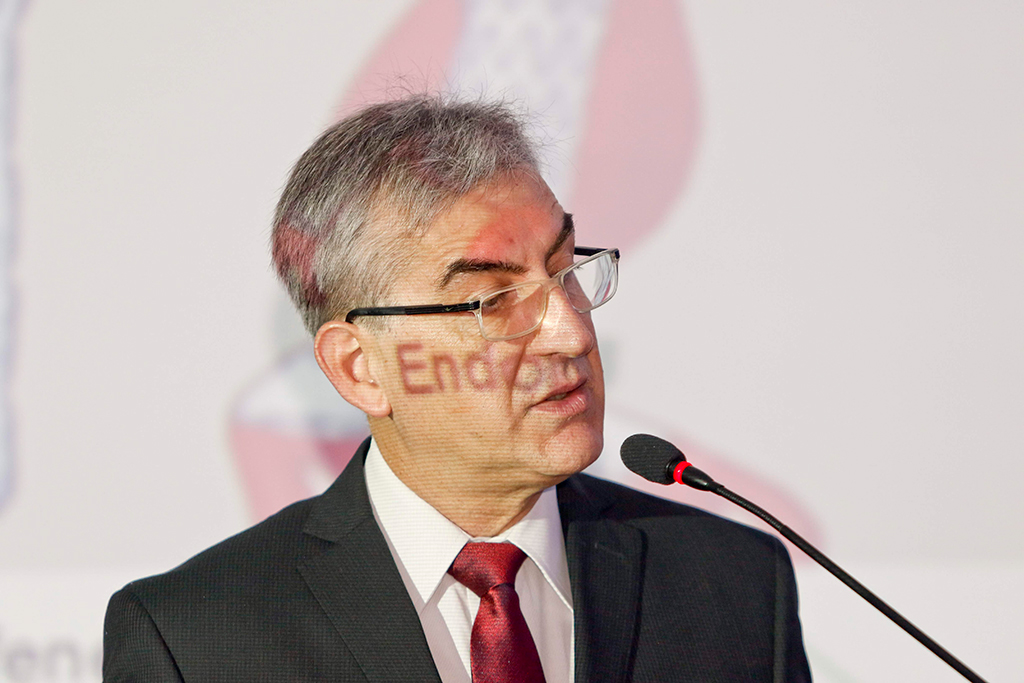
In an interesting chat with Solaci.org. the hemodynamics specialist Fernando Orsi looked at his most significant achievements as president of SOLACI’s Nurses and Technicians area and shared their successful collaboration with SOLACI Sessions. At the same time, the Dean of Imaging Diagnostics School of Salvador University (Argentina) assessed the future of the different specialties we should be working on to see sustained growth.
What has SOLACI Nurses and Technicians area been working on?
The Nurses and Technicians area has successfully been developing for some years now in a continuous effort in line with our former directors’ agenda. At present, we actively participate with SOLACI Sessions, which has been stimulating and has boosted professional involvement in countries where interventional cardiology is not yet very accessible (such as Brazil, Mexico or Argentina, SOLACI’s pillars). I believe SOLACI Sessions has contributed to the scientific-educational aspect of our work, in line with the mission and vision of our Society.
What is the importance of integrating and developing the expertise of nurses and technicians?
We know that, when it comes to hemodynamics, we are always talking about a multidisciplinary team, because doctors cannot do all by themselves. That is, regardless they play the starring role as regards diagnostics and treatment, hemodynamics particularly depends on nurses and technicians’ assistance to provide for imaging, be it for diagnostic purposes or for treatment.
What are the issues Latin American nurses and technicians most commonly face?
The first issue we must overcome is the lack of educational centers in countries where interventional cardiology is still developing. Clearly, it is far easier for physicians to study and specialize abroad, where it has been developed. Nurses and technicians find it harder mainly because of cost. Unfortunately, our medical centers are in no condition to send their nurses and technicians to other countries, and that is the main obstacle to overcome.
This is why one of the things our Sessions directors asked for the past Bolivia Sessions was to include more topics on introduction to hemodynamics, in order to boost the radiology and nursing training programs.
What is your assessment after presiding Nurses and Technicians?
We have been able to continue with our former directors’ legacy. In this regard, I have done my job bearing in mind our fundamental goal to always continue to build on our predecessors’ work.
During my administration, we managed to make progress in both scientific and educational terms. We have taken part in all Regional Sessions not just with new developments and innovative solutions, but also with content that appeals to young nurses and technicians that are new to hemodynamics.
On this note, our aim was to attract the newbies, and work to train them in our specialty, for them to be able to develop together with our new hemodynamic specialists in training. This was one of my challenges as president and at the same time one of the goals of our new administration, led by Margarita García.
What is the main project of the Nurses and Technicians area?
We are working on the development of a thematic program to publish online through SOLACI. We are still creating it, but the idea is to be able to present a virtual course of continuous training for technicians and nurses and upload directly to SOLACI webpage. It is quite an interesting project and certainly productive in the near future.
Subscribe to our weekly newsletter
Get the latest scientific articles on interventional cardiology
We are interested in your opinion. Please, leave your comments, thoughts, questions, etc., below. They will be most welcome.



