






Percutaneous coronary intervention (PCI) may entail inherent complications, such as a diagnosis of periprocedural myocardial infarction (MI type 4a). Some registries have shown its occurrence in almost 30% of cases. Generally, these MI 4a can result from the post-PCI loss of a side branch, stent edge dissection, and/or distal microembolisms, leading to microvascular injury. These complications can be limiting, causing post-PCI angina, which has been reported in nearly a third of patients.
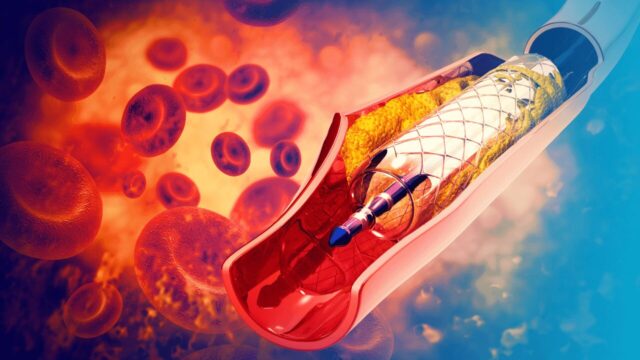
The presence of coronary microvascular dysfunction (CMD) after PCI is sometimes underrated, even though it can lead to inadequate distal coronary perfusion. CMD can be measured invasively by means of specific guides and tools that allow for the determination of the index of microvascular resistance (IMR), an already widely validated tool.
The stenting technique might affect the incidence of CMD and MI 4a, either through an ischemic preconditioning effect, prolonged coronary balloon inflation, or “slow deployment,” with slower and more extended stent inflation (which could result in less rotational injury to the vessel or plaque).
Based on these uncertainties, the EMPIRE study was set out to investigate whether CMD could be affected by stenting technique or device characteristics. Phase 1 of this study aimed to control the stenting technique. This was assessed by randomizing subjects with elective PCI for stable angina to slow stent inflation (DES slow) compared with the usual technique.
The study enrolled patients with stable angina aged 18-75 years, scheduled for single-vessel angioplasty at a high-volume center in the United Kingdom. Invasive control was performed with PressureWire X and the Coroflow system. Researchers measured coronary pressures and flow velocity.
The parameters obtained were:
- Resting gradient (Pd/Pa)
- Fractional flow reserve (FFR)
- Basal microvascular resistance (BMR)
- Coronary flow reserve (CFR)
- Index of microvascular resistance (IMR)
The primary endpoint (PEP) was the change in IMR and CFR after stenting compared with the baseline. Secondary endpoints included post-PCI troponin elevation (MI 4a), post-PCI angina, and quality of life (QoL).
Thirty-six patients were randomized 1:1 to DES slow or DES standard. The average patient age was 67.2 years, 88% of subjects were men, and 50% of subjects had a history of coronary disease. There were no differences in the quantitative angiography analysis between the two groups, while an optical coherence tomography (OCT) showed a trend towards a greater lipid arc in the DES standard arm (122° [88, 163] vs. 89° [0, 193], p = 0.18).
Read also: Severe Aortic Stenosis in Bicuspids: Promising Self-Expanding Valve Outcomes at 3 years.
There was a significant difference in the PEP of IMR delta after PCI: a mean difference of 4.14 mmHg (95% confidence interval [CI]: -10.49 to -0.39, p=0.04). Additionally, there was a non-significant difference in a greater CFR delta in the DES slow group (+0.47, 95% CI: -0.52 to 1.31, p = 0.46). BMR and IMR values were lower in the DES slow arm (p = 0.06 and p = 0.09, respectively), but the difference was also non-significant. The biochemical analysis showed no differences between troponin I values (difference at 6 h: +1.5 ng/mL, 95% CI: -27.00 to 27.5, p = 0.95).
Conclusions
This interesting analysis conducted through invasive coronary hemodynamic measurements showed that the stenting technique influences microvascular injury. Slower inflation resulted in better IMR values after PCI. However, these differences did not translate into fewer diagnoses of periprocedural MI.
The small sample size and the single-center nature of the study could position the initial outcomes of EMPIRE as hypothesis-generating results.
Original Title: Evaluation of microcirculatory protection in percutaneous revascularisation: A stent implantation technique and device comparison.
Reference: Aetesam-ur-Rahman M, Zhao TX, Paques K, et al. Evaluation of microcirculatory protection in percutaneous revascularisation: a stent implantation technique and device comparison. Catheter Cardiovasc Interv. 2024; 1-10. doi:10.1002/ccd.31155.
Subscribe to our weekly newsletter
Get the latest scientific articles on interventional cardiology



 puede presentar complicaciones inherentes, como el diagnóstico de infarto periprocedimiento (IAM tipo 4a).)