



AHA 2018 | More Evidence for the Impella Device, But Larger Trials Are Necessary

In this pilot study, unloading the left ventricle with the Impella CP circulatory support device and delaying angioplasty by about 30 minutes appeared to be feasible and safe in patients with acute myocardial infarction without cardiogenic shock. This work sought to test the hypothesis that the device reduces ischemia-reperfusion injury.
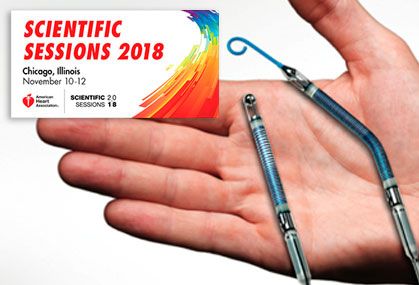
AHA 2018 | El dispositivo Impella gana evidencia, pero hacen faltan estudios más grandesThe trial included 50 patients who had the Impella CP implanted and were randomized to immediate angioplasty or angioplasty after a 30-minute delay.


The study (presented at the American Heart Association [AHA] Scientific Sessions and published simultaneously in Circulation) showed that delaying reperfusion was associated with an obvious increase in door-to-balloon time (from 73 to 97 minutes), but not with an increase in adverse events or infarct size at 30 days.


There was no evidence of prohibitive risk that would prevent investigators from starting a much larger multicenter study next year.


Read also: AHA 2018 | Canakinumab Reduces Hospitalization for Cardiac Failure in Respondents.


The Impella device was successfully implanted and removed after a minimum of 3 hours of support.


As regards the safety endpoint, there was one death and one case of stroke in the immediate angioplasty group and 3 deaths and two flow-limiting dissections of the femoral artery when removing the device in the delayed group.


Original title: Unloading the Left Ventricle Before Reperfusion in Patients with Anterior ST-Segment Elevation Myocardial Infarction: A Pilot Study Using the Impella CP.

Reference: Kapur N et al. Circulation. 2018; Epub ahead of print.


Dispositivo-Impella-gana-evidencia


Subscribe to our weekly newsletter

Get the latest scientific articles on interventional cardiology

We are interested in your opinion. Please, leave your comments, thoughts, questions, etc., below. They will be most welcome.


More articles by this author

Dynamic Coronary Roadmap: does it really help reduce contrast use?

Contrast-induced nephropathy remains a relevant complication of percutaneous coronary interventions (PCI), particularly in patients with multiple comorbidities and complex coronary anatomies. Dynamic Coronary Roadmap...

Long-Term Cardiovascular Risk in Patients With ANOCA: A Clinical Reality to Consider?

Chronic stable angina (CSA) remains one of the most frequent reasons for referral to diagnostic coronary angiography (CAG). In a substantial proportion of these...

Perforation Management in Bifurcations: Bench Testing of Bailout with Covered Stents

Coronary perforations during PCI are one of the most dreaded complications in interventional cardiology, especially in bifurcations. Though rate, this critical situation requires an...

EMERALD II: Non-Invasive Coronary Anatomy and Physiology (CCTA) in ACS Prediction

Despite steady progress in secondary prevention and medical treatment optimization (OMT), acute coronary syndrome (ACS) remains one of the leading causes of cardiovascular morbimortality....

LEAVE A REPLY

Please enter your comment!
Please enter your name here

Related Articles

SOLACI Sessionsspot_img

Recent Articles

Dynamic Coronary Roadmap: does it really help reduce contrast use?

Contrast-induced nephropathy remains a relevant complication of percutaneous coronary interventions (PCI), particularly in patients with multiple comorbidities and complex coronary anatomies. Dynamic Coronary Roadmap...

Endoleaks after endovascular repair of complex aortic aneurysms: always reintervene or monitor with CTA?

Endovascular repair of thoracoabdominal aneurysms requiring sealing above the renal arteries, with preservation of visceral vessels using fenestrated and/or branched devices (F/B-EVAR), has become...

Is it safe to use negative chronotropic drugs early after TAVI?

TAVI is associated with a relevant incidence of conduction system disturbances and the development of atrioventricular block that may require permanent pacemaker implantation. Many...
