






Five-year outcomes of the randomized REDUCE study showed a continuous benefit from patent foramen ovale (PFO) closure compared with antiplatelet agents to prevent cryptogenic strokes.
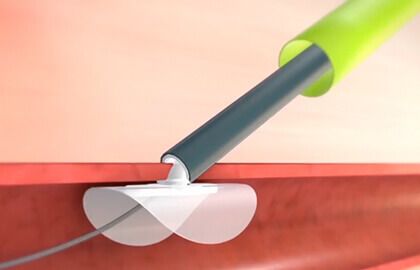
The most important aspect of this result seems to be the idea that PFO closure in selected patients offers durable benefit with guaranteed long-term safety.
The original results from REDUCE were presented at the European Stroke Organization Conference in 2017. There, the study demonstrated a 77% recurrent ischemic stroke risk reduction with PFO closure vs. antiplatelet therapy at about 3.2 years of follow-up.
The results presented now in NEJM show that the benefit from this intervention is sustained to prevent recurrent stroke at 5-years of follow-up (1.8% vs. 5.4%; hazard ratio: 0.31; 95% confidence interval: 0.13 to 0.76). In absolute terms, the advantage is 3.6%; therefore, 25 PFO closures are needed to prevent a stroke.
Other safety endpoints like death, major bleeding, and deep venous thrombosis were similar between groups without any further complications related to the device.
Read also: Major Cause of Myocardial Injury by COVID-19.
The only difference against the closing device was a higher risk of atrial fibrillation (6.8% vs. 0.4%). These data require further follow-up, as the increased chances of atrial fibrillation could dilute the benefit in terms of stroke and the increased need for anticoagulation could modify bleeding rates against the device.
Investigators from the REDUCE trial are collaborating with investigators from other large studies on the topic (RESPECT, CLOSE, CLOSURE I, PF, DEFENSE PFO) to produce a large meta-analysis that will shed light on predictors of atrial fibrillation, late stroke, and other complications.
Conclusion
The foramen ovale closure device maintained its superiority in preventing recurrent strokes vs. medical treatment at 5 years of follow-up in patients with cryptogenic stroke and patent foramen ovale.
Original Title: Five-year outcomes of PFO closure or antiplatelet therapy for cryptogenic stroke.
Reference: Kasner SE et al. N Engl J Med. 2021;384:970-971.
Subscribe to our weekly newsletter
Get the latest scientific articles on interventional cardiology



