



Cusp Overlap for Higher CoreValve Implantation

Implant depth greater than the length of the membranous septum is an independent predictor of permanent pacemaker implantation. Valve implantation 3 to 5 mm below the aortic annulus in a projection coaxial to the device is recommended. The problem is this is rarely in the annular plane of the valve.
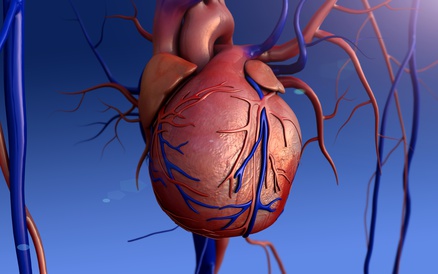
Cirugía para mejorar la sobrevida en insuficiencia tricuspidea aislada

Ideal annular plane projection is normally suggested by CT. For CoreValves, correction of parallax was achieved by adding right anterior oblique caudal angulation, which preserves the anatomic annular plane of the native valve and produces an overlap of right and left coronary cusps (cusp overlap).

This differs from manufacturer recommendation to use left anterior oblique angulation. This produces a shallower apparent device depth of 1 to 2 mm.

This technique could enable higher implantation, making the self-expandable valve more competitive in terms of conduction, vs balloon expandable valves. 

The risk of excessively higher implantation with this technique might increase paravalvular regurgitation, or even embolization.  


Read also: Should Total Occlusion Influence on Revascularization Strategy?


Small observational studies on cusp overlap have shown permanent pacemaker implantation rate lower than 5% for CoreValve and no significant increase in leak or device embolization. 

Implantation 3 to 5 mm below the aortic annulus, using a radiographic projection chosen for both the valve and the device can help improve permanent pacemaker implantation rate. 

This should be confirmed by multicenter registries, with special attention to low-risk population. 

CIRCINTERVENTIONS-120-009258free

Original Title Low Rates of Permanent Pacing Are Observed Following Self-Expanding Transcatheter Aortic Valve Replacement Using an Annular Plane Projection for Deployment.

Reference: Anthony D. Pisaniello et al. Circ Cardiovasc Interv. 2021;14:e009258. DOI: 10.1161/CIRCINTERVENTIONS.120.009258.


Subscribe to our weekly newsletter

Get the latest scientific articles on interventional cardiology

More articles by this author

Management of Valve Thrombosis in TAVI: Current Evidence-Based Approach

The expansion of transcatheter aortic valve implantation (TAVI) into younger and lower-risk populations has brought bioprosthetic valve thrombosis to the forefront as a clinically...

Experience with the intra-annular self-expanding Navitor valve: data from the STS/ACC TVT registry

The expansion of TAVI, with the introduction of new-generation devices, has prioritized not only periprocedural safety, but also the preservation of coronary access, more...

The Two Sides of the Coin: What Do CHAMPION-AF and CLOSURE-AF Teach Us About Left Atrial Appendage Closure?

Letter to the editor: Juan Manuel Pérez Asorey Percutaneous left atrial appendage closure (LAAO) is currently going through one of the most interesting stages of...

CLOSURE-AF: Percutaneous Left Atrial Appendage Closure versus Medical Therapy in Atrial Fibrillation

Percutaneous left atrial appendage closure has been proposed as an alternative to anticoagulation in patients with atrial fibrillation and high bleeding risk; however, comparative...

LEAVE A REPLY

Please enter your comment!
Please enter your name here

Related Articles

SOLACI Sessionsspot_img

Recent Articles

Management of Valve Thrombosis in TAVI: Current Evidence-Based Approach

The expansion of transcatheter aortic valve implantation (TAVI) into younger and lower-risk populations has brought bioprosthetic valve thrombosis to the forefront as a clinically...

Experience with the intra-annular self-expanding Navitor valve: data from the STS/ACC TVT registry

The expansion of TAVI, with the introduction of new-generation devices, has prioritized not only periprocedural safety, but also the preservation of coronary access, more...

Therapeutic strategies in carotid free-floating thrombus: evidence and controversies

Carotid free-floating thrombus (cFFT) is a rare entity with a high embolic risk, associated with acute neurological events such as stroke or transient ischemic...

