






The introduction of drug coated balloons (DCB) has become an innovative therapeutic alternative to current treatments. Paclitaxel-coated balloons (PCB) have been used to treat in-stent restenosis (ISR) and also approach CAD in native arteries. More recently, sirolimus-coated balloons (SCB) are being looked at as part of pilot studies and smaller registries with preliminary results.
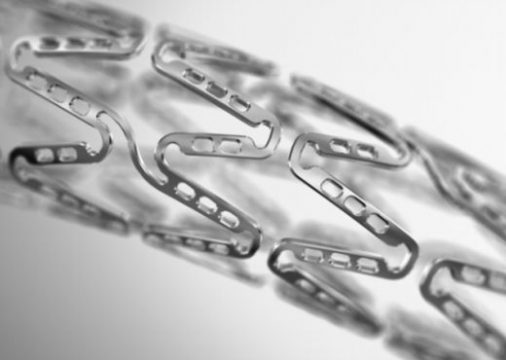
The aim of this prospective multicenter registry was to assess the role of the new SCBs in the treatment of CAD.
Primary end point was defined as the need for target lesion revascularization (TLR) at 12 months, characterized by target lesion reintervention with 70% stenosis and the presence of ischemia in fictional tests. Secondary end points were procedural success, free of in hospital complications such as acute MI at followup; cardiac death, and major adverse cardiovascular events (MACE), a combination of TLR, acute MI and cardiac death.
Between 2016 and 2020, 2,123 patients were enrolled, totaling 2,440 lesions. Mean age was 66.6 years, with a larger percentage of men. There was diabetes in 41.5% of cases, multivessel disease in 51.9%, a history of prior MI and PCI in 42.9% and 66.3%, respectively. In terms of clinical presentation, 53.5% presented stable CAD, while 46.6% presented acute coronary syndrome. De novo lesions in small vessels were treated in 56% of cases, while 44% showed ISR.
Read also: Left Atrial Appendage Closure: As Effective in Men and Women?
Primary end point was seen in 5.9% of vessels, more often in patients with ISR vs patients with compromised natural vessels (10.5% vs 2.0%; RR: 1.90; CI 95%: 1.13-3.19; P < 0.001). All-cause mortality rate, cardiac death, acute MI and BARC bleeding 3 or 5 were 2.5%, 1.5%, 2.4% and 0.7%, respectively. MACE rate was 9.9% (4.9% in de novo lesion patients and 14.9% in ISR patients; P < 0.001). After multivariable Cox regression model, the main factors behind TLR were ISR (OR: 5.5; CI del 95%: 3.382-8.881), and vessel reference diameter.
Conclusion
The EASTBOURNE registry has shown the safety and efficacy at midterm of sirolimus DCB in a wide range of patients with CAD.
Dr. Andrés Rodríguez.
Member of the Editorial Board of SOLACI.org.
Original Title: Sirolimus-Coated Balloon in an All-Comer Population of Coronary Artery Disease Patients The EASTBOURNE Prospective Registry.
Reference: Bernardo Cortese, MD et al J Am Coll Cardiol Intv 2023;16:1794–1803.
Subscribe to our weekly newsletter
Get the latest scientific articles on interventional cardiology



