






Although there are 4 approved bioresorbable scaffolds (BRS) in Europe, experts suggest that current drug-eluting stents (DES) are the best option for coronary angioplasty.
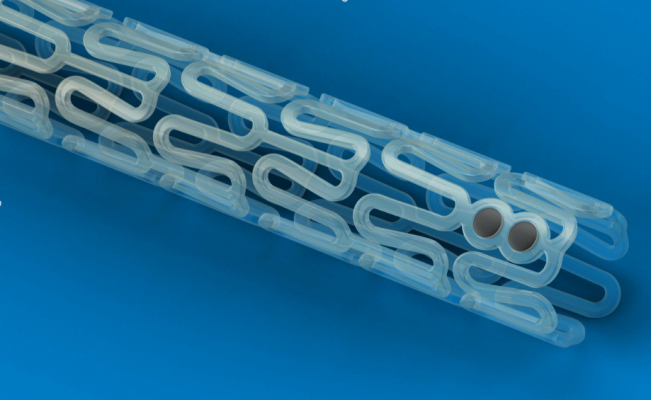
These new guidelines jointly published by the European Society of Cardiology (ESC) and the Association of Percutaneous Cardiovascular Interventions (EAPCI) are an update on the use of BRS in clinical practice and suggest that these devices are in no way better than DES.
Read also: “REPRISE III: Need for Pacemaker and Paravalvular Leak with Lotus”.
As long as there is no additional information on the long-term safety of BRS, particularly as regards the risk of infarction and scaffold thrombosis, the use of these devices should wait.
These guidelines focused on the five BRS that had CE Mark approval: DESolve, Arterial Remodeling Technologies bioresorbable scaffold (ART), Fantom, Magmaris, and, of course, ABSORB, although, by the time the document was published, Abbott had already pulled its device off the market.
It seems to be a time for a pause and reflection over this new technology, waiting for the arrival of better devices. Surely, the fact that ABSORB is no longer available does not mean that we should automatically shift towards the other devices.
Read also: “Impella Improves Safety in High Risk Unprotected Left Main PCI”.
There are limited data available regarding DESolve and Magmaris (just single-arm studies), and there are no published clinical studies for the ART and Fantom devices.
These guidelines also suggest that patients who have already received an ABSORB device should continue with dual antiplatelet therapy (DAPT) treatment for 3 years, until there is full bioresorption, and in patients who have already stopped DAPT, there should be a careful assessment of the benefit/risk profile.
In case of use of any of the devices still on the market, the guidelines suggest pre- and post-dilation imaging, the avoidance of vessels <2.5 mm, and pre- and post-dilation with noncompliant balloons.
Original title: Report of an ESC-EAPCI Task Force on the Evaluation and Use of Bioresorbable Scaffolds for Percutaneous Coronary Intervention: Executive Summary.
Reference: Byrne RA et al. Eur Heart J. 2017;Epub ahead of print.
Get the latest scientific articles on interventional cardiologySubscribe to our weekly newsletter
We are interested in your opinion. Please, leave your comments, thoughts, questions, etc., below. They will be most welcome.



