






This is the largest and most recent analyzis to show colonic ischemia is more frequent after open abdominal aortic aneurysm repair (2.1% a 3.6%), compared against endovascular repair (0.5% a 1%), especially in elective patients.
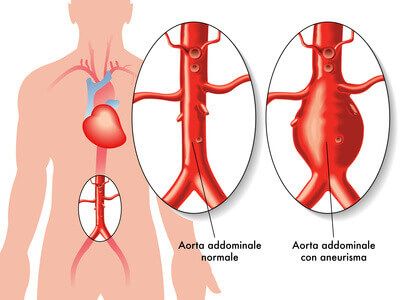 Most cases presented within the first 7 days. The evidence is not enough to determine the cause behind the different in incidence of colonic ischemia between both techniques, but it does highlight the importance of performing a colectomy procedure. Most randomized studies comparing open vs. Endovascular repair did not report specifically on colonic ischemia incidence, nor its sequels, and given the high morbidity and mortality of this complication, we should look further into it.
This meta-analyzis included 13 studies specifically reporting on this complication after elective repair of abdominal aortic aneurysms, with a total 162750 patients (78151 undergoing endovascular repair and 84599 open surgical repair).
Read also: What Is the Prognosis for Reinterventions in Critical Lower Limb Ischemia?
All studies found that colonic ischemia is more frequent with open repair compared against endovascular repair.
In most cases, this complication appeared within 30 days (and specifically within the first 7 days) and it was associated with variable mortality (from 0 to 73%).
Read also: Maintaining Physical Activity After an Acute Myocardial Infarction Reduces Mortality.
The studies are heterogeneous, both as regards methodology and events rate (colonic ischemia, reinterventions, mortality and time to complication development).
Conclusion
Despite the high study heterogeneity, it seems clear that colonic ischemia is more frequent with open surgical repair of abdominal aortic aneurysms than with endovascular repair.
Original title: Elective Repair of Abdominal Aortic Aneurysm and the Risk of Colonic Ischaemia: Systematic Review and Meta-Analysis.
Reference: Jeremy S. Williamson et al. Eur J Vasc Endovasc Surg (2018). Article in press.
Get the latest scientific articles on interventional cardiologySubscribe to our weekly newsletter
We are interested in your opinion. Please, leave your comments, thoughts, questions, etc., below. They will be most welcome.



