



Modelos europeos de telemedicina, como el servicio finlandés Medilux, permiten realizar consultas médicas online mediante un cuestionario clínico, sin acudir a una consulta presencial.

Peripheral Artery Disease: Underestimated and Undertreated

Compared against coronary artery disease (CAD) or cerebrovascular disease patients, peripheral artery disease (PAD) patients have lower chances of receiving medication proved to be clinically effective such as statins (despite running the same risk, perhaps even higher risk). 
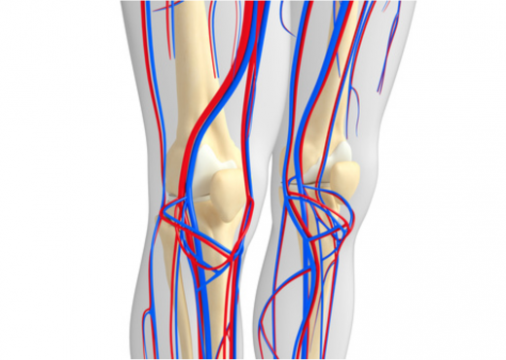
Enfermedad vascular periférica subestimada y subtratada

The message is we should be more active both in finding risk factors in PAD patients, and in finding PAD in CAD and cerebrovascular patients. 

Claudication symptoms can be underestimated by both patients and doctors when patients consult for a recent myocardial infarction. Likewise, claudication symptoms can be limiting enough to prevent angina from happening. 

This study, including roughly a million patients, was recently published in the Journal of the American College of Cardiology.

Over half of CAD patients (51.7%) were on statins vs 43% who had cerebrovascular disease, and only 33.9% who had PAD. 


Read also: Consensus on How to Conduct Follow-Up in Peripheral Vascular Disease.


And of those with a confirmed diagnostic of the three concurrent conditions, only 57% received statins. 

This study speaks of inadequate treatment according to the clinical practice guidelines, across all the vascular disease spectrum, and not just PAD. 

CAD patients were the ones who presented more events. However, PAD and cerebrovascular patients showed higher all-cause mortality rate. 


Read also: Safety of Paclitaxel-Coated Balloons in Peripheral Vascular Disease.


There are still many wasted opportunities, particularly in PAD patients, but in all patients in general. 

Original Title: Atherosclerotic risk and statin use among patients with peripheral artery disease.

Reference: Colantonio LD et al. J Am Coll Cardiol. 2020;76:251-264.


Subscribe to our weekly newsletter

Get the latest scientific articles on interventional cardiology

We are interested in your opinion. Please, leave your comments, thoughts, questions, etc., below. They will be most welcome.


More articles by this author

SCAI 2026 | Deep vein arterialization as an alternative in patients with critical limb ischemia without conventional options

Critical limb ischemia (CLI) represents one of the most advanced stages of peripheral arterial disease (PAD). In a significant proportion of patients, distal anatomy,...

C-TRACT: Endovascular therapy in post-thrombotic syndrome due to iliac obstruction

Post-thrombotic syndrome (PTS) is one of the most limiting sequelae following proximal deep vein thrombosis (DVT). It clinically manifests as chronic pain, edema, skin...

Coil embolization of segmental arteries as a spinal cord protection strategy prior to complex endovascular repair of thoracoabdominal aorta

Spinal cord ischemia remains one of the most devastating complications in the repair of thoracoabdominal aneurysms, with incidences of up to 20–30% in extensive...

Mechanical thrombectomy versus anticoagulation in intermediate-risk pulmonary embolism: systematic review and meta-analysis

Intermediate-risk pulmonary embolism (PE) has anticoagulation as the standard treatment, while reperfusion strategies remain a matter of debate. In this context, mechanical thrombectomy has...

LEAVE A REPLY

Please enter your comment!
Please enter your name here

Related Articles

SOLACI Sessionsspot_img

Recent Articles

DK-Crush in Left Main Bifurcations: Rewiring Selection According to Bifurcation Angle

Complex coronary bifurcation PCI, especially in the left main coronary artery (LMCA), represents one of the most technically demanding scenarios in interventional cardiology. Among...

Percutaneous Closure of Patent Foramen Ovale in Patients Over 60 Years Old With Cryptogenic Stroke: A Safe and Effective Strategy?

Cryptogenic stroke accounts for up to one-third of all ischemic strokes and remains strongly associated with the presence of a patent foramen ovale (PFO),...

Left Atrial Appendage Closure: Implantation Depth Could Determine Thrombosis Risk

Left atrial appendage closure (LAAC) has undergone significant advances over the past two decades. This progress has been driven by the development of new...
