






Everybody keeps wondering whether drug-coated balloons can actually increase mortality. If that is the case, there is an even harder question in need of an answer: what would be the physiopathology for such increase in mortality?
As a lukewarm message, the US Food and Drug Administration recommended a special informed consent form when these devices are used, but nothing more definitive.
The last systematic review and meta-analysis, which included works that were rather uneven, showed an increase in mortality for patients who received paclitaxel-eluting stents or balloons in peripheral disease.
This work, which will be published in J Am Coll Cardiol Intv. in the next days, brings us some more information and peace of mind about paclitaxel devices.
Read also: New FDA Updates on Paclitaxel Device Outcomes.
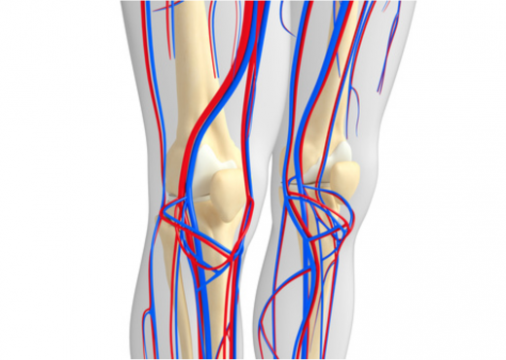
Researchers evaluated 1093 patients who underwent paclitaxel-coated balloon angioplasty and 250 patients who underwent conventional balloon angioplasty for the treatment of the femoropopliteal artery, included in the LEVANT 1 (The Lutonix Paclitaxel-Coated Balloon for the Prevention of Femoropopliteal Restenosis) trial, the LEVANT 2 (Moxy Drug Coated Balloon vs. Standard Balloon Angioplasty for the Treatment of Femoropopliteal Arteries) trial, and the LEVANT Japan Clinical Trial.
There were no significant differences as regards mortality between study arms. At 5 years, the risk was 1.01 (95% confidence interval: 0.68 to 1.52) considering the LEVANT trials as a whole.
Adverse events and causes of death were well balanced, and there was no trend towards a specific cause of death.
Variables predicting mortality included, among others, age, prior treatment of target lesion, arrhythmia, and diabetes, without differences between the two arms.
Read also: The FDA Affirms Mortality Signs with Paclitaxel Based Devices.
There was no association between drug dose and effect after adjustment for all predictors.
Conclusion
The analysis of all patients participating in the LEVANT trials with paclitaxel-coated balloon Lutonix showed no significant differences in mortality as regards patients who received conventional balloons.
Original title: Safety of Paclitaxel-Coated Balloon Angioplasty for Femoropopliteal Peripheral Artery Disease.
Reference: Kenneth Ouriel et al. J Am Coll Cardiol Intv 2019, online before print.
Get the latest scientific articles on interventional cardiologySubscribe to our weekly newsletter
We are interested in your opinion. Please, leave your comments, thoughts, questions, etc., below. They will be most welcome.



