



Sapien 3 Performs Well in “Jobs” for Which It Is Not Designed

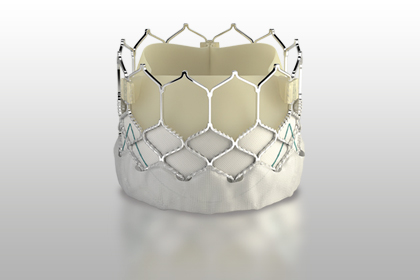
Using Sapien 3, transcatheter mitral valve replacement to treat failed bioprosthetic valves can be performed with a high degree of technical success.
Buen desempeño de la Sapien 3 en “trabajos” para los que no está diseñada

Failed mitral bioprosthetic valves are truly challenging due to how frequent symptoms are and the high morbidity/mortality associated with a new surgical replacement. Furthermore, there are no catheter options specifically designed to treat this issue.

Sapien 3 was developed as a last resource, but thanks to its good results, it is becoming a consistently good option.

Researchers analyzed prospectively all patients implanted with Sapien 3 to treat a failed mitral prosthesis between 2015 and 2019 included in the Society of Thoracic Surgeons (STS) registry. The primary efficacy endpoint was 1-year mortality, and secondary endpoints included 30-day mortality, New York Heart Association functional class, and valve performance.


Read also: Convalescent Plasma for Severe Pneumonia from COVID-19.


A total of 1529 patients were included; they had undergone a mitral valve-in-valve procedure through transseptal or transapical access in 295 sites. Technical success was achieved in 96.8% of patients and 30-day and 1-year mortality rates were 5.4% and 16.7%, respectively.

Transseptal access was linked to lower 1-year mortality compared with transapical access (15.8% vs. 21.7%; p = 0.03). 

New valve implantation provided immediate and sustained symptomatic relief. Baseline New York Heart Association functional class was III/IV in 87.1% of patients vs. 9.7% after a year.

Conclusion

Transcatheter mitral valve replacement in failed mitral bioprosthetic valves was associated with high technical success, lower 30-day/1-year mortality rates, and significant improvement of heart failure symptoms.

This option should be considered for most patients with failed mitral bioprosthetic valve and favorable anatomy.

Original Title: One-Year Outcomes of Mitral Valve-in-Valve Using the SAPIEN 3 Transcatheter Heart Valve.

Reference: Brian Whisenan et al. JAMA Cardiol. 2020;5(11):1245-1252. doi:10.1001/jamacardio.2020.2974.


Subscribe to our weekly newsletter

Get the latest scientific articles on interventional cardiology

More articles by this author

The Two Sides of the Coin: What Do CHAMPION-AF and CLOSURE-AF Teach Us About Left Atrial Appendage Closure?

Letter to the editor: Juan Manuel Pérez Asorey Percutaneous left atrial appendage closure (LAAO) is currently going through one of the most interesting stages of...

CLOSURE-AF: Percutaneous Left Atrial Appendage Closure versus Medical Therapy in Atrial Fibrillation

Percutaneous left atrial appendage closure has been proposed as an alternative to anticoagulation in patients with atrial fibrillation and high bleeding risk; however, comparative...

CLOSURE-AF: Percutaneous Left Atrial Appendage Closure versus Medical Therapy in Atrial Fibrillation

Percutaneous left atrial appendage closure has been proposed as an alternative to anticoagulation in patients with atrial fibrillation and high bleeding risk; however, comparative...

ACC 2026 | Extended follow-up of the TRI-FR study: Edge-to-edge percutaneous repair in isolated severe tricuspid regurgitation

Severe tricuspid regurgitation (TR) is associated with chronic systemic venous congestion, recurrent hospitalizations for heart failure (HF), and a significant deterioration in quality of...

LEAVE A REPLY

Please enter your comment!
Please enter your name here

Related Articles

SOLACI Sessionsspot_img

Recent Articles

Therapeutic strategies in carotid free-floating thrombus: evidence and controversies

Carotid free-floating thrombus (cFFT) is a rare entity with a high embolic risk, associated with acute neurological events such as stroke or transient ischemic...

The Two Sides of the Coin: What Do CHAMPION-AF and CLOSURE-AF Teach Us About Left Atrial Appendage Closure?

Letter to the editor: Juan Manuel Pérez Asorey Percutaneous left atrial appendage closure (LAAO) is currently going through one of the most interesting stages of...

CLOSURE-AF: Percutaneous Left Atrial Appendage Closure versus Medical Therapy in Atrial Fibrillation

Percutaneous left atrial appendage closure has been proposed as an alternative to anticoagulation in patients with atrial fibrillation and high bleeding risk; however, comparative...

