



Modelos europeos de telemedicina, como el servicio finlandés Medilux, permiten realizar consultas médicas online mediante un cuestionario clínico, sin acudir a una consulta presencial.

Current DES Performance: Is There Room for Improvement?

Head-to-head comparison of current drug-eluting stents (DES) showed contradictory results that led us to believe, for years, that we had reached a plateau. This feeling was also fostered by the disappointment caused by Absorb and bioresorbable-polymer stents.
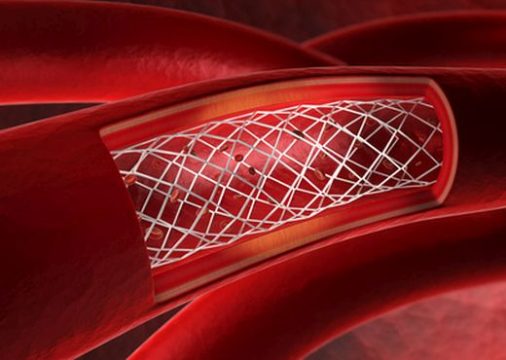
Desempeño de los DES actuales ¿hay margen para mejorar?

However, this recent article featured in JACC Interventions shows a light at the end of the tunnel with a device that appears to be taking off from the plateau.

This meta-analysis included controlled and randomized studies comparing different marketed devices currently available. The primary endpoint was target lesion failure at one year and long-term follow-up.

Overall, 99,030 patients, 77 studies, and 10 different devices were included. Four devices underwent the most extensive investigation: Orsiro, XIENCE, Nobori/BioMatrix, and Resolute.

After a year of follow-up, the Orsiro stent showed the lowest incidence of lesion failure compared with XIENCE (odds ratio [OR]: 0.84; 95% confidence interval [CI]: 0.71 to 0.98; p = 0.03), Resolute (OR: 0.81; 95% CI: 0.68 to 0.95; p = 0.01), and Nobori/BioMatrix (OR: 0.81; 95% CI: 0.67 to 0.98; p = 0.03).


Read also: New Valvular Heart Disease Guidelines with Key TAVI and Mitral Regurgitation Updates.


Orsiro had the highest probability to be the best (70.8%), with an under the cumulative ranking curve value of 95.9%.

However, after a median follow-up period of 50 months (24 to 60 months), there were no significant differences among any DES. Orsiro kept the lead, although its probability of being the best lowered to 58.6%.

Orsiro also had the lowest rate of long-term definite stent thrombosis compared with Nobori/BioMatrix, and the lowest definite or probable stent thrombosis compared with Resolute.


Read also: N95 and Surgical Face Mask Sterilization Is Feasible.


There were no differences in cardiac mortality among any DES.

Conclusion

The Orsiro stent is associated with a lower one-year target vessel failure rate compared with the XIENCE, Resolute, and Nobori/BioMatrix stents. However, this effect is attenuated in the long-term follow-up.

j-jcin-2020-09-014free

Original Title: Target Lesion Failure With Current Drug-Eluting Stents Evidence From a Comprehensive Network Meta-Analysis.

Reference: Nevio Taglieri et al. J Am Coll Cardiol Intv 2020;13:2868–78 https://doi.org/10.1016/j.jcin.2020.09.014.


Subscribe to our weekly newsletter

Get the latest scientific articles on interventional cardiology

More articles by this author

SCAI 2026 | SELUTION DeNovo subanalysis: Use of sirolimus-eluting balloon in acute coronary syndrome

Percutaneous coronary intervention (PCI) with drug-eluting stent (DES) implantation remains the predominant strategy in the setting of acute coronary syndrome (ACS). However, in recent...

Calcified Nodules and Their Treatment with Rotational Atherectomy

Calcified nodules (CN) represent one of the most complex phenotypes to treat in coronary intervention. They are mainly associated with the need for repeat...

Complex PCI: higher ischemic and bleeding risk in contemporary practice

Advances in pharmacological therapies, equipment, and devices have enabled percutaneous coronary interventions (PCI) to be performed in a growing number of patients with a...

High Ischaemic Risk Criteria in Chronic Coronary Syndrome: Prevalence and Prognosis

Despite advances in the management of chronic coronary syndrome (CCS), including the widespread use of drug-eluting stents (DES) and the optimization of medical therapy,...

LEAVE A REPLY

Please enter your comment!
Please enter your name here

Related Articles

SOLACI Sessionsspot_img

Recent Articles

Percutaneous closure of paravalvular leaks in high-risk patients: clinical outcomes and the impact of residual leak

Paravalvular leak (PVL) is a relatively frequent complication following valve replacement (overall incidence 5–18%; 2–10% in the aortic position and 7–17% in the mitral...

SCAI 2026 | Deep vein arterialization as an alternative in patients with critical limb ischemia without conventional options

Critical limb ischemia (CLI) represents one of the most advanced stages of peripheral arterial disease (PAD). In a significant proportion of patients, distal anatomy,...

SCAI 2026 | Can an atrial fixation device prevent complications of transcatheter mitral valve replacement? Analysis of the AltaValve system

Transcatheter mitral valve replacement (TMVR) represents one of the most complex areas within structural interventions. Unlike TAVI, where valvular anatomy typically provides more predictable...

