



Incidence, Predictors, and Results of Acute Kidney Injury in Patients Undergoing TAVR

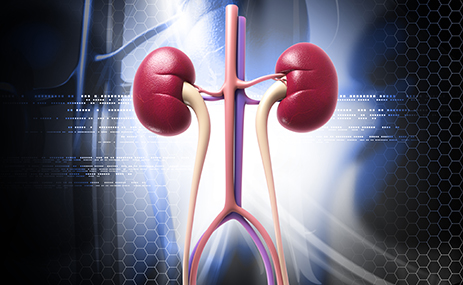
Acute kidney injury after transcatheter aortic valve replacement (TAVR) is a well-known adverse event for all interventional cardiologists. However, it has been understudied: only small observational research has been conducted, showing too wide incidence rates.
Incidencia, predictores y resultados de la injuria renal aguda en pacientes que reciben TAVI

This research included all patients who underwent TAVR in the USA between 2016 and 2018, totaling over 100,000 patients. All subjects had creatinine analysis done at baseline and after the procedure. Patients in hemodialysis were excluded.

A total of 11,566 patients (10.7%) suffered kidney injury after the procedure. The vast majority had grade 1 impairment, some presented grade 2, and 1212 (1.1% of the general population) had grade 3 injury.

Clinical factors associated with grade 3 (severe) kidney injury were high levels of creatinine, diabetes, cardiogenic shock, peripheral vascular disease, severe anemia, and African American heritage.

The procedural characteristics associated with grade 3 injury were non-elective procedure, crossover to conventional surgery, general anesthesia, use of inotropic drugs, use of self-expandable prosthesis, and contrast volume >100 milliliters.


Read also: Back to Basics: Ticagrelor Questioned and Clopidogrel in the Limelight.


Mortality at one year among those who developed grade 1 kidney injury almost tripled that of those without kidney injury (hazard ratio [HR]: 2.7; 95% confidence interval [CI]: 2.5-2.8; p < 0.001), and in those with grade 3 injury, mortality was 7 times higher (HR: 7; 95% CI: 6.0-8.2; p < 0.001).

Conclusion

Using the STS/ACC database, acute kidney injury after TAVR has a 10.7% prevalence. Patients with grade 3 injury present 7x higher risk of one-year mortality than those without renal impairment.

Original title: Incidence, Predictors, and Outcomes of Acute Kidney Injury in Patients Undergoing Transcatheter Aortic Valve Replacement.

Reference: Howard M Julien et al. Circ Cardiovasc Interv. 2021 Apr;14(4):e010032. Doi: 10.1161/CIRCINTERVENTIONS.120.010032.


Subscribe to our weekly newsletter

Get the latest scientific articles on interventional cardiology

More articles by this author

Management of Valve Thrombosis in TAVI: Current Evidence-Based Approach

The expansion of transcatheter aortic valve implantation (TAVI) into younger and lower-risk populations has brought bioprosthetic valve thrombosis to the forefront as a clinically...

Experience with the intra-annular self-expanding Navitor valve: data from the STS/ACC TVT registry

The expansion of TAVI, with the introduction of new-generation devices, has prioritized not only periprocedural safety, but also the preservation of coronary access, more...

The Two Sides of the Coin: What Do CHAMPION-AF and CLOSURE-AF Teach Us About Left Atrial Appendage Closure?

Letter to the editor: Juan Manuel Pérez Asorey Percutaneous left atrial appendage closure (LAAO) is currently going through one of the most interesting stages of...

CLOSURE-AF: Percutaneous Left Atrial Appendage Closure versus Medical Therapy in Atrial Fibrillation

Percutaneous left atrial appendage closure has been proposed as an alternative to anticoagulation in patients with atrial fibrillation and high bleeding risk; however, comparative...

LEAVE A REPLY

Please enter your comment!
Please enter your name here

Related Articles

SOLACI Sessionsspot_img

Recent Articles

High Ischaemic Risk Criteria in Chronic Coronary Syndrome: Prevalence and Prognosis

Despite advances in the management of chronic coronary syndrome (CCS), including the widespread use of drug-eluting stents (DES) and the optimization of medical therapy,...

Management of Valve Thrombosis in TAVI: Current Evidence-Based Approach

The expansion of transcatheter aortic valve implantation (TAVI) into younger and lower-risk populations has brought bioprosthetic valve thrombosis to the forefront as a clinically...

Experience with the intra-annular self-expanding Navitor valve: data from the STS/ACC TVT registry

The expansion of TAVI, with the introduction of new-generation devices, has prioritized not only periprocedural safety, but also the preservation of coronary access, more...

