






Patients with aortic stenosis and extreme surgical risk have extremely high mortality due to known comorbidities. The short-term benefit of transcatheter aortic valve replacement (TAVR) with self-expanding valve is clear, and it warrants the procedure in this challenging population.
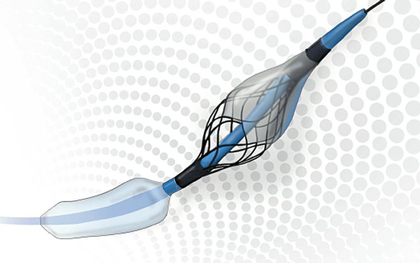
While elderly patients with comorbidities who are at extreme surgical risk might be eligible for TAVR, the futility risk is always present.
The CoreValve US Extreme Risk Pivotal study, published in Circulation, presents the 5-year clinical and echocardiographic outcomes in this extreme-risk population treated with the CoreValve self-expanding supra-annular valve.
The primary endpoint of the study was all-cause death or disabling stroke. Secondary endpoints included echocardiographic parameters and quality of life.
About 639 patients at extreme surgical risk (mean age: 82.8 ± 8.4; mean Society of Thoracic Surgeons Predicted Risk of Mortality: 10.4 ± 5.6%) between 2011 and 2012 were prospectively included.
At 5 years, mortality or disabling stroke rate was extremely high, at 72.6%—though such figure should be interpreted in the context of the intrinsic risk of this population. Transfemoral access was selected in 77% of cases, and no difference was observed with other accesses (which was the case in other series).
Read also: Which Type 2 Endoleaks Should We Intervene?
As regards the lucky surviving patients at 5 years of follow-up who were able to undergo an echocardiogram, the mean transvalvular gradient was 7.5 ± 5.9 mmHg, and 3.1% had moderate/severe valve regurgitation. This shows the valve has a good long-term hemodynamic performance.
One month after the procedure, quality of life improved significantly from baseline; however, after a year, it continually and gradually declined. Despite this gradual decline, quality of life at 5 years was still significantly better than at baseline.
Conclusion
Patients with severe aortic stenosis and extreme surgical risk who undergo TAVR with a self-expanding valve have high 5-year mortality rates. However, the huge short-term benefit coupled with a persistent improvement in quality of life at 5 years among survivors clearly justifies the procedure.
Original Title: Five-Year Clinical and Quality of Life Outcomes From the CoreValve US Pivotal Extreme Risk Trial.
Reference: Suzanne V. Arnold et al. Circ Cardiovasc Interv. 2021 Jun;14(6):e010258. doi: 10.1161/CIRCINTERVENTIONS.120.010258.
Subscribe to our weekly newsletter
Get the latest scientific articles on interventional cardiology



