






Abdominal aortic aneurysm (AAA) is a deadly vascular disease with no effective drug treatment, and risk of rupture reaching up to 80%. Even though the classical risk factors, such as hypertension, smoking and male sex, have been established, the causal role of triglycerides (TG) in AAA development and rupture remained uncertain.
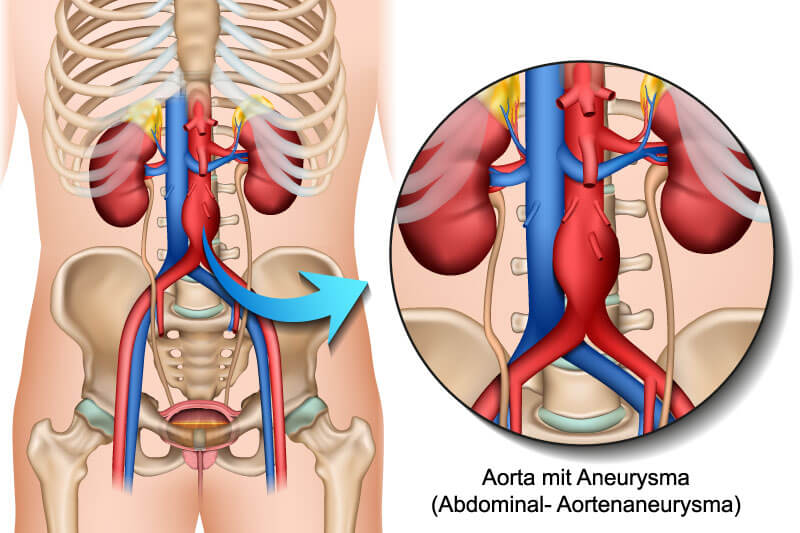
The primary outcome was finding causation between elevated TG levels and risk of AAA. Secondary end points included identifying the underlying molecular mechanisms and assessing the therapeutic effect of TG reduction by use of antisense oligonucleotides targeting Angptl3, a liver protein responsible for elevated TG levels.
The study included genetic data from over 40,000 AAA patients and one million disease-free control patients. Results showed that for every standard deviation increase in TG levels, AAA risk increased by 69% (OR 1.69; CI 95%: 1.3–2.1).
In mice models, lipoprotein lipase–deficient (Lpl–/–) mice presented extremely high TG levels (≈11.000 mg/dL) and 94% aortic rupture incidence, vs 9.5% in control patients. Similarly, Apoa5–/– mice, with moderate hypertriglyceridemia, developed larger and more frequent aneurysms (p < 0.01). Altogether, elevated TG models showed over 60% dissection or rupture incidence (p < 0.001), regardless of arterial pressure or total cholesterol.
Read also: CALIPSO: Calcified Lesions and Use of OCT.
At molecular level, researchers showed hypertriglyceridemia and excessive palmitic acid inhibit lysyl oxidase maturation (LOX), an essential enzyme for the formation of elastic fibers in the aortic wall. This inhibition reduced LOX activity, promoting collagen and elastin degradation. Local LOX overexpansion in APOC3 mice completely prevented the development of AAA, which confirms its protective role. Finally, antisense oligonucleotide treatment against ANGPTL3 reduced TG by 50%, free fatty acids by 30%, and significantly reduced AAA development and dissection.
Conclusion
This study identifies hypertriglyceridemia and a causal factor in AAA pathogenesis. TG and metabolites, especially palmitic acid, compromise the aortic wall structural integrity by inhibiting LOX. TG reduction, either using drug or genetic strategies targeting ANGPTL3, emerges as a new and promising therapy to prevent AAA development and rupture.
Original Title: Hypertriglyceridemia as a Key Contributor to Abdominal Aortic Aneurysm Development and Rupture: Insights From Genetic and Experimental Models.
Reference: Yaozhong Liu, MD; Huilun Wang, PhD, et al. Circulation. 2025;152:862–881.
Subscribe to our weekly newsletter
Get the latest scientific articles on interventional cardiology



 constituye una patología vascular de alta mortalidad, sin opciones farmacológicas efectivas y con un riesgo de ruptura que puede alcanzar hasta el 80%.)