






Transcatheter aortic valve replacement (TAVR) using the ACURATE neo device depends, largely, on correct patient selection and appropriate oversizing. The individual anatomy of each patient, namely periannular and aortic root calcification, must be taken into account.
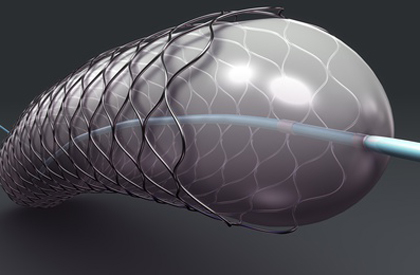 The ACURATE neo valve (Symetis/Boston, Ecublens, Switzerland) is a new-generation self-expanding valve characterized by a stent design shaped as an X and a unique release mechanism. This work analyzed technical and anatomical predictors for proper implantation of this device.
A total of 500 patients who underwent TAVR with the ACURATE neo valve were stratified according to landing zone calcification level (mild, moderate, or severe). Predictors of moderate or greater paravalvular leak and need for permanent pacemaker implantation were assessed.
Read also: Renal Impairment: How Does It Affect Angioplasty and Surgery?
Post-procedural moderate or greater paravalvular leak was more frequent with increasing device landing zone calcification (mild, 0.8% vs. moderate, 5.0% vs. severe, 13.0%; p < 0.001), while the need for permanent pacemaker implantation was independent of calcification.
The greater the periannular calcification (p < 0.001), the lesser the oversizing (p = 0.014), the higher the presence of annular plaque protrusions (p = 0.025), the greater the movement of the release system after full valve deployment (p = 0.02), and the higher the sinotubular junction height (p = 0.04). There was a higher rate of paravalvular insufficiency.
Read also: DEFENSE-PFO: High Risk PFO Closure Reduces Combined Events and Stroke Risk.
As regards predictors of permanent pacemaker implantation, there were no surprises compared with other studies or devices: pre-existing right bundle branch block and more oversizing.
Conclusion
Procedural success using the ACURATE neo device depends on appropriate oversizing and consideration of individual anatomy, mainly periannular and aortic root calcium distribution. To sum up, success depends on correct patient selection.
Original title: The ACURATE Neo Transcatheter Heart Valve. A Comprehensive Analysis of Predictors of Procedural Outcome.
Reference: Won-Keun Kim et al. J Am Coll Cardiol Intv 2018. Online before print.
Get the latest scientific articles on interventional cardiologySubscribe to our weekly newsletter
Su opinión nos interesa. Puede dejar su comentario, reflexión, pregunta o lo que desee aquí abajo. Será más que bienvenido.



