






Transcatheter aortic valve replacement (TAVR) keeps growing in terms of the development of new devices, more extensive operator experience, and enhanced procedure planning. Nowadays, there are multiple device options, which depend on patient characteristics and operator experience. Two-arm studies compared these devices, analyzing the potential benefits of a certain valve over the others.
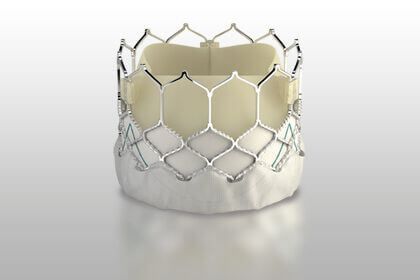
This multicenter prospective study aims to simultaneously compare the results of the most popular second- and third-generation transcatheter aortic valves in a real-world population.
The primary endpoint was a composite of all-cause death, stroke, and rehospitalization for heart failure at 1 year. The secondary endpoint were the individual components of the primary endpoint and permanent pacemaker implantation and acute myocardial infarction (AMI) at 1 year.
A total of 2728 patients were included in the OBSERVANT II (Observational Study of Effectiveness of TAVI with New Generation Devices for Severe Aortic Stenosis Treatment) study, which was conducted in Italy. The valves compared in the study were EVOLUT R, EVOLUT PRO, SAPIEN 3, ACURATE neo, and PORTICO. Mean patient age was 83 years old, and most subjects were female. The EUROScore II was 5.1 %. Transfemoral access was used the most, in 91 % of the cases.
Read also: We Should Treat Significant Stable CAD in Patients Undergoing TAVR.
Regarding the primary endpoint at 1 year, no differences were reported among the different valve groups (P = 0.56). However, peacemaker implantation was significantly lower at 1 year for patients who received a SAPIEN 3 device (P < 0.01). Moreover, patients with a SAPIEN 3 valve had lower paravalvular leak rates (P < 0.01) and greater transvalvular gradient after TAVR (P <0.01).
Conclusion
Results from “real-world” practice show lower rates of complications after TAVR for all currently available devices. Patients receiving a SAPIEN 3 valve had lower rates of permanent pacemaker implantation and of paravalvular leak, even though they also had greater transvalvular gradient. In order to confirm these results, larger studies with longer follow-up terms are required.

Dr. Andrés Rodríguez.
Member of the Editorial Board of SOLACI.org.
Original Title: Real-World Multiple Comparison of Transcatheter Aortic Valves: Insights From the Multicenter OBSERVANT II Study.
Reference: Giuliano Costa et al Circ Cardiovasc Interv. 2022;15:e012294.
Subscribe to our weekly newsletter
Get the latest scientific articles on interventional cardiology



