
Abbott Vascular Stops Selling Absorb Bioresorbable Scaffold

Abbott Vascular is to stop selling their everolimus eluting bioresorbable scaffold across the globe on September 14, 2017. This decision was prompted by low commercial sales.
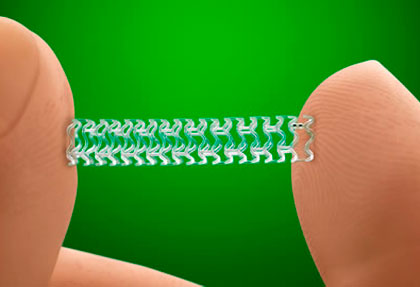
Abbott Vascular suspendió la venta de Absorb en todos los países

At the time, this revolutionary technology offered patients the chance to avoid a permanent implant in their coronary arteries. However, it has clearly failed to meet the market’s expectations. Despite this decision, Abbott will most likely continue to work on enhancements. In fact, all clinical studies on Absorb patients are still to assess its safety once the device has dissolved. 


This decision applies to all countries (not just the US), and affects both the Absorb and the Absorb Gt1.


Read also: «AIDA: bioresorbable scaffold thrombosis still a concern in studies».


Physicians will eventually continue to use this device as long as it remains available in the cath lab (in contrast with the EU, where only authorized centers with ongoing studies can use it).


For Abbott, the Xience scaffold will continue to be their portfolio cornerstone, which is why their efforts focus on their next generation stent, called “Xience Sierra”.


Absorb represented for Abbott less than 1% of sales worldwide, which is why product discontinuation is inevitable. The second generation currently in process could offer a much lower profile and a far simpler device.


Subscribe to our weekly newsletter

Get the latest scientific articles on interventional cardiology

We are interested in your opinion. Please, leave your comments, thoughts, questions, etc., below. They will be most welcome.


Más artículos de este Autor

Aterectomía rotacional y sus secretos técnicos: utilización de guía floppy o ES

La aterectomía rotacional (AR) continúa siendo una herramienta muy útil en el manejo de la calcificación coronaria severa. Sin embargo, muchos de sus detalles...

CRT 2026 | CUT-DRESS Trial: preparación de la lesión con cutting balloon

La reestenosis intrastent (RIS) continúa representando un desafío clínico relevante en la práctica contemporánea de la angioplastia coronaria. A pesar de los avances en...

CRT 2026 | Clopidogrel vs aspirina como monoterapia a largo plazo tras una angioplastia coronaria

El uso de aspirina como terapia antiplaquetaria crónica después de una angioplastia coronaria (PCI) ha sido históricamente el estándar recomendado por las guías internacionales....

COMPARE-ABSORB a 7 años: Dispositivos bioabsorbibles vs DES en pacientes con alto riesgo de restenosis

Estudios con stents liberadores de fármacos (DES) de segunda generación han demostrado que, la tasa de fallo de la lesión diana (TLF) aumenta linealmente...

DEJA UNA RESPUESTA

Por favor ingrese su comentario!
Por favor ingrese su nombre aquí

Artículos relacionados

Jornadas SOLACIspot_img

Artículos recientes

Revascularización coronaria previa al TAVI: ¿PCI previa o manejo conservador?

La coexistencia de enfermedad coronaria (EAC) en pacientes con estenosis aórtica severa candidatos a TAVI es frecuente, con una prevalencia reportada entre 30% y...

Aterectomía rotacional y sus secretos técnicos: utilización de guía floppy o ES

La aterectomía rotacional (AR) continúa siendo una herramienta muy útil en el manejo de la calcificación coronaria severa. Sin embargo, muchos de sus detalles...

COMPLICAT 2026: aprendizaje colaborativo para afrontar las complicaciones en cardiopatías congénitas y estructurales

Curso Online gratuito en español.5 webinars en 2026. COMPLICAT 2026 llega con su segunda edición consolidándose como un espacio académico innovador dedicado al análisis de...