






Cardiac revascularization surgery (CABG) has shown positive results at long term in CAD patients with multivessel or left main disease. However, we are well aware that, after CABG, there might be native disease progression over time. Also, at followup, we often see high incidence of venous graft failure.
According to registry data, approximately 1 in 5 patients will need invasive coronary angiography (ICA) within 3 years after CABG and nearly 15% might need further revascularization within the following 5 years.
These invasive studies in CABG patients are more challenging compared with patients without prior CABG, because of the significant number of grafts to assess and the lack of surgical data on the number and type of grafts placed. This involves increased fluoroscopy time and the use of higher contrast doses, which calls for the development of safer, more effective techniques to be able to tackle this problem.
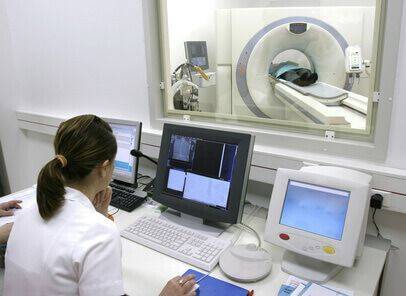
CT cardiac angiography (CTCA) has been established as a useful tool for CABG patient assessment, seeing as it provides non-invasive assessment of number and location of grafts, with adequate sensitivity and specificity (nearly 95%). In this context, The BYPASS-CTCA was designed to determine whether CTCA prior ICA might improve procedural safety and patient satisfaction.
Read also: Cause of Cardiac Death after TAVR at Present.
This study, carried out in the UK, was a randomized single center study including patients over 18 with prior CABG referred for ICA. It excluded patients with cardiopulmonary arrest, cardiogenic shock, ST elevation MI (STEMI), chronic kidney disease (FG<20 ml/min) and those who could not receive a CT. Patients were randomized 1:1 to CTCA+ICA or ICA alone. Elective patients received a CTCA 2 weeks prior ICA, while acute patients were assessed within 24-48 hours (according to tolerance protocols). The assessed primary outcome included ICA procedure duration, patient satisfaction after procedure and incidence of contrast induced nephropathy (CIN).
Between 2018 and 2021, a total 321 patients were randomized in the CTCA + ICA group and 342 in the ICA alone group, with 1 year mean followup. Mean time between CTCA and ICA was 6.9 days, with reduced times in acute cases. In 24% of cases, graft details were missing, and 46.3% had had prior ICA after CABG; 34.2% had arterial grafts and 36% of grafts were already occluded upon assessment.
Procedural time remained significantly reduced in the CTCA+ ICA group (18.6±9.5 minutes vs. 39.5±16.9 minutes; p<0.001), and this difference was maintained after adjusting for other factors. Considering the time between the invasive procedure and CT, there were also shorter times when combining both studies (22.1±10.5 minutes vs. 39.5±16.9 minutes; p<0.001).
Read also: Left Main Coronary Artery PCI: In What Scenario Could We Not Use IVUS?
Nearly 99.8% of patients completed the satisfaction questionnaires and there were better results among CTCA+ICA patients (mean score 1.5±0.6) vs. ICA alone (mean score 2.5±1.0). We should note that CTCA was not unpleasant for 98% of patients surveyed.
As regards contrast induced nephropathy, it was seen in 16.1% of patients, but was significantly lower in the CTCA+ICA group (3.4% vs. 27.9%; OR, 0.09 [CI 98.33%, 0.04–0.2]; p<0.001).
Regarding secondary outcomes, the CTCA+ICA group had significantly higher radial access rates, used a smaller number of catheters, saw reduced fluoroscopy time and a lower contrast dose vs. ICA alone.
Conclusions
To sum up, the use of CT coronary angiography prior invasive angiography showed significant advantages in terms of procedure duration, patient satisfaction and incidence of contrast induced nephropathy. There were additional benefits in secondary outcomes, which indicates an adequate safety profile.

Dr. Omar Tupayachi.
Member of the Editorial Board of SOLACI.org.
Original Title: Computed Tomography Cardiac Angiography Before Invasive Coronary Angiography in Patients with Previous Bypass Surgery: The BYPASSCTCA Trial.
Reference: Jones, Daniel A et al. “Computed Tomography Cardiac Angiography Before Invasive Coronary Angiography in Patients With Previous Bypass Surgery: The BYPASS-CTCA Trial.” Circulation, 10.1161/CIRCULATIONAHA.123.064465. 29 Sep. 2023, doi:10.1161/CIRCULATIONAHA.123.064465.
Subscribe to our weekly newsletter
Get the latest scientific articles on interventional cardiology



