






The area of records within SOLACI – SOLACI Research – continues to grow and share the results of its investigations with the entire Latin American interventional community.
In this case, a dedicated session was held during the SOLACI-SBHCI 2023 Congress to present the data from the SOLACI records and to discuss the challenges of carrying out reliable research initiatives that allow extracting valuable information to support therapeutic approaches that result in a better quality of life for patients in the region.
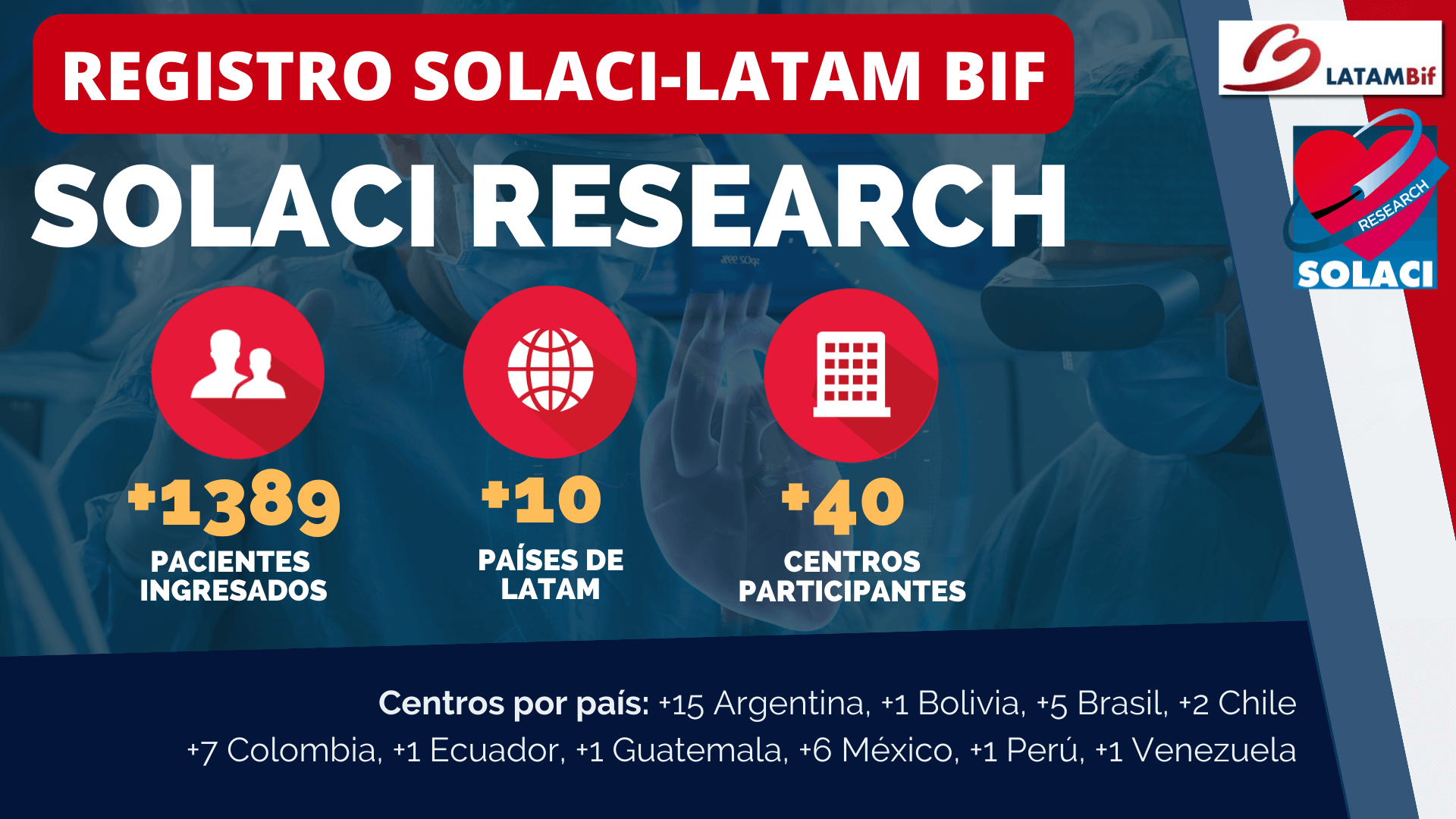
In the first presentation, Dr. Nicolás Zaderenko presented the results to date from the Latin American Coronary Bifurcation Registry, which already includes more than 1300 patients in 10 countries in Latin America.
Next, Dr. Alexandre Schaan de Quadros (BRA) was invited to present the results of LATAM CTO, a registry that is not part of SOLACI Research but collects valuable data on chronic occlusions in our region.
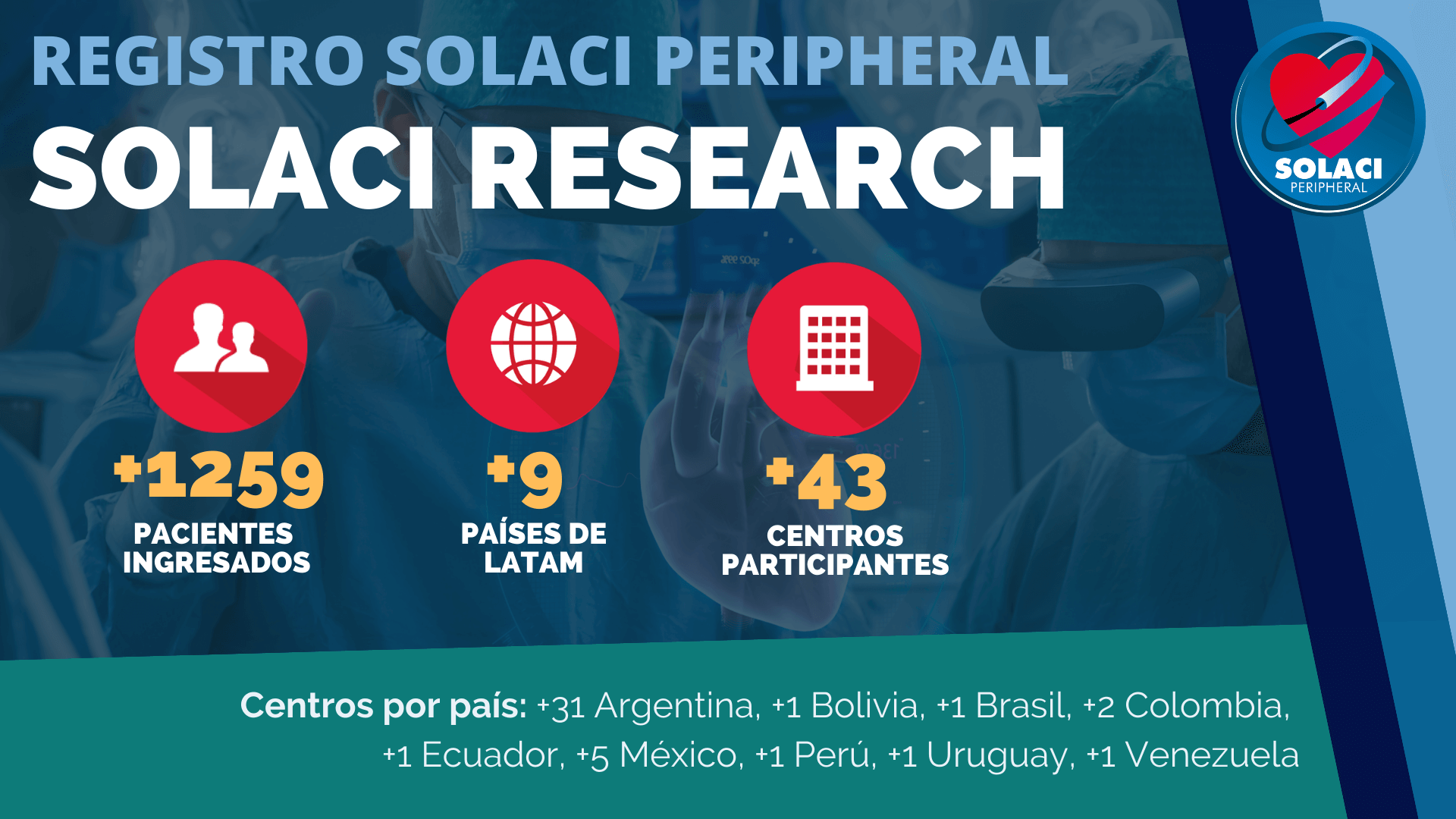
Later on, Dr. Maximiliano Rossi (ARG) shared the results of the SOLACI Peripheral Registry and highlighted the value of this registry because it allows access to data from patients in the region for the first time. The registry, created in 2020, surveys the reality of patients with Lower Limb Angioplasty in the region and aims to understand their clinical and angiographic characteristics. In this regard, this initiative already includes more than 1200 patients enrolled in more than 9 Latin American countries.
Continuing with the session, Dr. Henrique Ribeiro (BRA) presented the TAVI Guidelines developed in conjunction with the Inter-American Society of Cardiology (SIAC). In this regard, during the symposium, the importance of having the support of a clinical society regarding data reliability was emphasized.
Finally, Dr. Pablo Lamelas, Director of SOLACI Research, presented the brand new Left Main Revascularization Guidelines, also developed with SIAC.
Towards the end of the session, Dr. Mangione, former President of SOLACI, congratulated the members of the SOLACI Peripheral Registry for all the work done and encouraged them to continue working to make these registries even larger.
If you wish to join the SOLACI Research records, please write to research@solaci.org.”
Subscribe to our weekly newsletter
Get the latest scientific articles on interventional cardiology



