






Though rare, spontaneous coronary artery dissection (SCAD) might lead to MI, most commonly affecting young middle aged women.
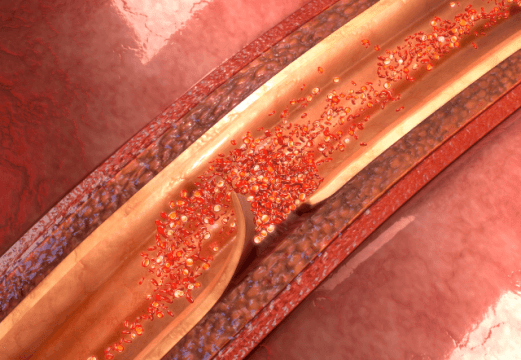
In these cases, the angiographic image will present a characteristic double lumen, and an intramural hematoma in the coronary artery wall.
Normally, it will be treated medically. However, a small number of cases presenting STEMI will require primary percutaneous coronary intervention (PCI), which tend to be complex and are associated to dissection progression during procedure. Whether this involves higher mortality compared against PCI on non-SCAD patients presenting STEMI remains to be determined.
The study looked at 65,957 STEMI patients undergoing primary PCI between January 2016 and December 2020 in hospitals across Spain. 315 of these patients (0.48%) presented SCAD.
Even though the groups were similar, SCAD patients were younger, mostly women, hypertensive and with a history of MI. There were no differences in the rest of risk factors or the prevalence of cardiac failure, cardiorespiratory fitness or cardiogenic shock.
Read also: ESC 2023 | Anticoagulation After Primary PCI in STEMI Patients.
Mortality was comparable in both groups (5.7% vs. 4.8%; P = 0.464), but hospital stay was longer among SCAD patients. Mortality was associated to complications driven by MI and cardiogenic shock. After adjusting for variables, there were no differences in terms of mortality (5.3% vs. 5.3% P=0.5). Also, patients were matched using propensity score, leaving 315 patients in both groups, with no differences in mortality (5.7% vs. 5.7% P=0.99).
At 30 days, there were no differences in hospital readmission (3% vs. 3.3% P=0.99 for SCAD and atherosclerosis driven STEMI respectively). This remained constant after adjusting for risk and propensity score matching.
Conclusion
To sum up, primary PCI in SCAD driven STEMI patients, when indicated, presents similar mortality and comparable readmission rates at 30 days compared to non-SCAD atherosclerosis driven STEMI patients undergoing the same procedure. These findings support the value of primary PCI in this select group of patients.

Dr. Carlos Fava.
Member of the Editorial Board of SOLACI.org.
Original Title: Primary Percutaneous Coronary Intervention in Patients With Spontaneous Coronary Artery Dissection vs Coronary Artery Disease.
Reference: Fernando Alfonso, et al. J Am Coll Cardiol Intv 2023;16:1860–1869.
Subscribe to our weekly newsletter
Get the latest scientific articles on interventional cardiology



