






Thrombectomy with stent retriever and direct aspiration have been considered equally effective in the treatment of anterior circulation acute ischemic stroke. But are they really? This study recently published in Stroke compares the safety and efficacy of both techniques per occlusion segment.
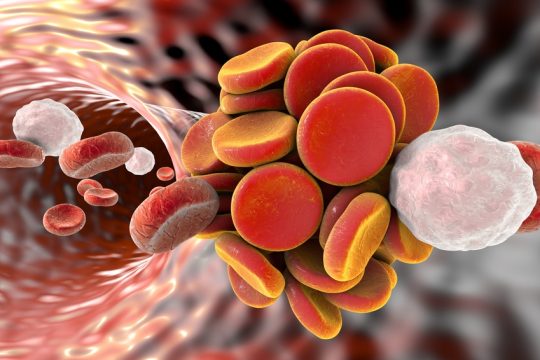
This study analyzed data from the MR CLEAN registry at every endovascular therapy center in the Netherlands in order to compare first-line direct aspiration treatment with stent retriever thrombectomy stratified by occlusion segment.
The primary endpoint was functional capacity at 3 months. Secondary endpoints included reperfusion grade expressed as the Thrombolysis in Cerebral Infarction (TICI) score (which is similar to TIMI, but for brain circulation), periprocedural complications, and mortality.
Of the 2282 included patients, 1658 (73%) were initially treated with stent retriever and 624 (27%) with aspiration.
A total of 462 patients had an occlusion in the intracranial part of the carotid artery, 1349 in the proximal middle cerebral artery, and 471 in the distal parts of the middle cerebral artery.
There was no difference in the primary functional endpoint between techniques (odds ratio [OR]: 1.0, 95% confidence interval [CI]: 0.9 to 1.2; p = 0.2) in any of the occluded segments.
Read also: Reducing Chronic Inflammation in Atherosclerosis with an Old Drug.
The reperfusion rate was higher in the aspiration group (OR: 1.4, 95% CI: 1.1 to 1.6) in all occluded segments. Procedure times were 15 minutes shorter in the aspiration group (50 vs. 65 minutes; p < 0.0001).
There were no differences regarding complications or mortality.
Conclusions
In unselected patients with anterior circulation ischemic stroke, researchers observed an equal functional outcome of aspiration and stent retriever thrombectomy in all studied segments at 3 months.
When aspiration was the first-line treatment modality, reperfusion rates were higher and procedure times shorter.
Original Title: Importance of Occlusion Site for Thrombectomy Technique in Stroke. Comparison Between Aspiration and Stent Retriever.
Reference: Marie Louise E. Bernsen et al. Stroke. 2021;52:80–90. DOI: 10.1161/STROKEAHA.120.030031.
Subscribe to our weekly newsletter
Get the latest scientific articles on interventional cardiology



