






During TCT 2020 a preview of the results of the comparison of drug-eluting stents (DES) with biodegradable-polymer vs. durable-polymer in patients with acute coronary syndrome (ACS) was presented. The fine print and the final paper for HOST-REDUCE-POLYTECH-ACS are now published, and they lower the expectations set on biodegradable polymers.
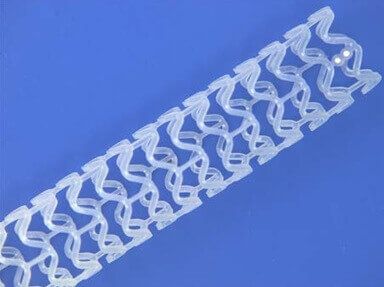
In patients with ACS undergoing angioplasty, biodegradable-polymer stents barely reached non-inferiority vs. durable-polymer stents after one year follow-up.
The patient-oriented primary endpoint was a composite of all-cause mortality, non-fatal infarction, and any repeat revascularization at 12 months.
The device-oriented secondary endpoint was a composite of cardiac death, target-vessel infarction, or target-lesion revascularization.
Overall, 3413 patients were randomized to receive a durable-polymer DES (1713) or a biodegradable-polymer DES (1700).
The patient-oriented primary endpoint reached non-inferiority with 5.2% for durable-polymer DES and 6.4% for biodegradable DES (pnoninferiority < 0.001).
Read also: SCOPE I: Acurate NEO vs Sapien 3, no non-inferiority at one year?
The device-oriented endpoint was less frequent for durable-polymer DES: 2.6% vs. 3.9% for biodegradable-polymer DES.
This difference was based on less target-lesion revascularization with durable-polymer DES. This new technology reached non-inferiority for this device-oriented composite endpoint.
Spontaneous infarction or stent thrombosis rates were extremely low in both arms, and there were no significant differences between them (0.6% vs. 0.8%; p = 0.513 and 0.1% vs. 0.4%; p = 0.174, respectively).
Conclusion
Biodegradable-polymer DES reached non-inferiority vs. durable-polymer DES in patients with acute coronary syndrome.
This was true for the composite patient-oriented endpoint, but not for the composite device-oriented endpoint: biodegradable-polymer DES was associated with more target-lesion revascularizations.
Original Title: Durable Polymer Versus Biodegradable Polymer Drug-Eluting Stents After Percutaneous Coronary Intervention in Patients with Acute Coronary Syndrome. The HOST-REDUCE-POLYTECH-ACS Trial.
Reference: Hyo-Soo Kim et al. Circulation. 2021;143:1081–1091. DOI: 10.1161/CIRCULATIONAHA.120.051700.
Subscribe to our weekly newsletter
Get the latest scientific articles on interventional cardiology



