






Computed tomographic (CT) angiography showed a high degree of agreement with conventional angiography to detect significant coronary artery disease and rule out left main disease.
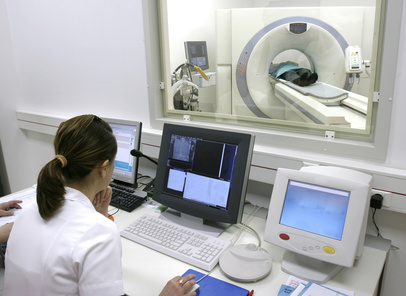
This imaging study was done on a group of patients before their randomization in the ISCHEMIA trial.
Data are soon to be published in JACC Cardiovascular Imaging and add plenty of evidence in favor of non-invasive diagnosis.
The rise of CT scans came about to solve the opposite problem. In this sense, its high negative predictive value prompted its use to rule out coronary artery disease in patients with unconvincing functional studies.
The power of CT vs. angiography in patients with high ischemic burden in functional assessments plus high probability of coronary artery disease had not been tested yet.
A “blinded” CT was performed before randomization to exclude the opposite ends of coronary artery disease—i.e., left main coronary artery and coronary arteries without lesion.
Randomization then defined the initial strategy, either conservative or invasive (the latter guided by angiography and optimum revascularization).
Read also: Post MI Betablockers for Good?
All lesions ≥50% were defined as anatomically significant.
Lesion in at least one vessel and lack of left main coronary artery lesions were detected by CT in about 1728 patients.
Conventional angiography confirmed the lack of left main coronary artery lesions in 97.1% of cases, and lesions in at least one vessel in 92.2% of cases. Only in 4.9% of patients did angiography not show significant lesions.
Read also: TAVR vs. the Least Invasive Surgically Implanted Valve.
Using a 70%—instead of 50%—stenosis diameter modified this excellent diagnostic precision.
Conclusion
CT showed an excellent agreement with angiography to identify patients with significant coronary artery lesions and rule out left main disease.
Original Title: Coronary CT Angiography Followed by Invasive Angiography in Patients With Moderate or Severe Ischemia-Insights From the ISCHEMIA Trial.
Reference: G.B. John Mancini et al. J Am Coll Cardiol Img 2021, article in press. https://doi.org/10.1016/j.jcmg.2020.11.012.
Subscribe to our weekly newsletter
Get the latest scientific articles on interventional cardiology



